
No menu items!
No menu items!
Home Blog Page 6

The Wonders of Travel: Discover New Places

0

a person standing on top of a large rock

One of the most exciting aspects of travel is the opportunity to discover new places. When we travel, we have the chance to explore destinations that we may have only dreamed of visiting. From the iconic landmarks of Paris to the serene beaches of Bali, the world is filled with incredible places waiting to be explored.

Traveling allows us to escape the familiar and immerse ourselves in different cultures. We can learn about the traditions, customs, and history of a place by interacting with locals, trying new foods, and experiencing unique festivals and celebrations. This cultural exchange broadens our horizons and helps us develop a deeper understanding and appreciation for the diversity of the world.

Moreover, travel is an opportunity to create lifelong memories. Whether it’s witnessing a stunning sunset over the Grand Canyon, hiking to the top of Machu Picchu, or snorkeling in the Great Barrier Reef, these experiences stay with us forever. They become stories we share with friends and family, and they shape who we are as individuals.

But travel is not just about the destinations we visit; it’s also about the journey itself. The act of traveling forces us to step outside of our comfort zones and embrace the unknown. It teaches us to be adaptable, resilient, and open-minded. We may encounter language barriers, navigate unfamiliar transportation systems, or try new activities that push us out of our comfort zones. These challenges help us grow and develop as individuals, fostering personal growth and self-discovery.

Additionally, travel offers a break from our daily routines and allows us to disconnect from the stresses of everyday life. It provides an opportunity to relax, rejuvenate, and recharge. Whether we choose to unwind on a tropical beach, explore a bustling city, or embark on an adventurous hike, travel allows us to escape the monotony of our everyday lives and experience something new and exciting.

In conclusion, the wonders of travel are truly remarkable. From discovering new places to immersing ourselves in different cultures, travel offers endless opportunities for exploration and personal growth. So, let’s embrace the joy of travel and embark on new adventures that will create lifelong memories and broaden our perspectives.

Expand Your Horizons

One of the most beautiful aspects of travel is the opportunity to expand our horizons. When we step outside of our familiar surroundings, we open ourselves up to new experiences, perspectives, and ways of life. Traveling allows us to break free from our routines and immerse ourselves in different cultures. We can try new foods, learn new languages, and engage with people from all walks of life. These experiences broaden our understanding of the world and help us become more empathetic and open-minded individuals.

Whether you’re exploring the ancient ruins of Machu Picchu in Peru, wandering the bustling streets of Tokyo, or relaxing on the pristine beaches of Bali, each destination offers a unique perspective and a chance to learn something new. The world is full of wonders waiting to be discovered, and travel is the key that unlocks the door to these extraordinary experiences.

When we travel, we not only learn about other cultures but also gain a deeper appreciation for our own. By experiencing different ways of life, we begin to question our own beliefs and values, and this introspection can lead to personal growth and self-discovery. We may find that what we once thought was important no longer holds the same significance, or we may discover new passions and interests that we never knew existed.

Traveling also allows us to challenge ourselves and step out of our comfort zones. It takes courage to navigate unfamiliar territory, communicate in a foreign language, or try new activities that push our boundaries. However, it is through these challenges that we truly grow and develop as individuals. We learn to adapt, problem-solve, and embrace uncertainty, skills that can be applied to all aspects of our lives.

Moreover, travel provides us with a fresh perspective on our own lives. When we are immersed in a different culture, we gain a new vantage point from which to view our own society. We may notice things that we previously took for granted or realize the impact of certain social, economic, or political issues. This newfound awareness can inspire us to become more engaged global citizens and work towards positive change in our own communities.

In conclusion, travel is a transformative experience that goes beyond mere sightseeing. It allows us to expand our horizons, learn about different cultures, and gain a deeper understanding of ourselves and the world around us. So, whether you’re planning a weekend getaway or a year-long adventure, embrace the opportunity to explore and discover. The world is waiting for you.

Unforgettable Experiences

Traveling provides us with the opportunity to create unforgettable experiences. Whether it’s witnessing the majestic beauty of the Northern Lights, hiking through the breathtaking landscapes of Patagonia, or snorkeling in the crystal-clear waters of the Great Barrier Reef, these moments stay with us forever.

Every destination has its own set of wonders and adventures to offer. From exploring ancient temples and historical landmarks to embarking on thrilling wildlife safaris, each experience is a chance to create memories that will last a lifetime. Whether you’re traveling solo, with friends, or with family, these shared experiences strengthen bonds and create stories that will be passed down through generations.

Imagine yourself standing on a snow-covered hill in the Arctic Circle, gazing up at the night sky as it comes alive with vibrant hues of green and purple. The Northern Lights dance across the darkness, creating a mesmerizing spectacle that seems almost otherworldly. This is a moment that will forever be etched in your memory, a moment that captures the sheer beauty and wonder of the natural world.

Or picture yourself in the heart of Patagonia, surrounded by towering mountains, pristine lakes, and vast glaciers. As you hike through this untouched wilderness, you feel a sense of awe and insignificance in the face of such grandeur. The air is crisp and pure, and every step brings you closer to the edge of the world. It’s a humbling experience that reminds you of the power and beauty of nature.

And then there’s the Great Barrier Reef, a place of unparalleled beauty and biodiversity. As you dive into the crystal-clear waters, you enter a world teeming with life. Colorful coral reefs stretch out as far as the eye can see, and schools of tropical fish dart in and out of the nooks and crannies. It’s an underwater paradise that fills you with a sense of wonder and appreciation for the delicate balance of marine ecosystems.

These are just a few examples of the unforgettable experiences that await those who venture out into the world. But the beauty of travel lies not only in the destinations themselves, but also in the people you meet along the way. Whether it’s sharing a meal with locals, learning about different cultures, or making lifelong friendships with fellow travelers, these connections add depth and meaning to your journey.

So, go out and explore. Seek out those moments that take your breath away, that make you feel alive. Let travel be the catalyst for unforgettable experiences that shape who you are and leave an indelible mark on your soul.

Stepping Outside of Your Comfort Zone

Traveling often requires us to step outside of our comfort zones. It pushes us to try new things, face our fears, and embrace the unknown. Whether it’s navigating a bustling market in Marrakech, bungee jumping off a bridge in New Zealand, or trying exotic street food in Bangkok, these experiences challenge us and help us grow as individuals.

Stepping outside of our comfort zones allows us to break free from the limitations we set for ourselves. It teaches us resilience, adaptability, and the ability to embrace change. Traveling is an adventure, and sometimes the most rewarding experiences come from taking risks and embracing the unexpected.

When we step outside of our comfort zones, we open ourselves up to new possibilities and opportunities. We become more open-minded and willing to try things we might have never considered before. This not only enriches our travel experiences but also broadens our perspective on life.

For example, imagine finding yourself in a small village in the heart of the Amazon rainforest. The thought of being surrounded by dense vegetation and unfamiliar wildlife may initially make you feel uneasy. However, by immersing yourself in the local culture, learning about their traditions, and exploring the natural wonders of the area, you begin to appreciate the beauty and uniqueness of this remote location.

Stepping outside of your comfort zone also allows you to discover your own strengths and capabilities. It pushes you to overcome challenges and face your fears head-on. Whether it’s conquering your fear of heights by skydiving or navigating through a foreign city using only a map and your intuition, these experiences help you realize that you are capable of more than you may have thought.

Moreover, stepping outside of your comfort zone while traveling can lead to personal growth and self-discovery. It provides an opportunity to reflect on your beliefs, values, and priorities. As you encounter different cultures, customs, and ways of life, you may find yourself questioning your own assumptions and preconceived notions. This introspection can be transformative and can lead to a deeper understanding of yourself and the world around you.

In conclusion, stepping outside of your comfort zone is an essential part of the travel experience. It challenges you, helps you grow as an individual, and opens your mind to new possibilities. So next time you embark on a journey, embrace the unknown, take risks, and allow yourself to be transformed by the adventures that lie ahead.

When we step out of our comfort zones and venture into unfamiliar territories, we open ourselves up to new experiences and perspectives. This exposure to diverse cultures broadens our horizons and challenges our preconceived notions. We begin to realize that there is no one “right” way of living or thinking, but rather a multitude of paths that lead to happiness and fulfillment.

For example, when exploring the bustling streets of Marrakech, we are captivated by the vibrant colors, exotic scents, and the lively atmosphere. We witness the locals going about their daily lives, engaging in age-old traditions and practices that have been passed down through generations. The markets are a kaleidoscope of goods and wares, showcasing the incredible craftsmanship and creativity of the local artisans.

Similarly, in Kyoto, we find ourselves immersed in a world of tranquility and reflection. The temples and gardens exude a sense of serenity, inviting us to slow down and appreciate the present moment. We witness the locals practicing their ancient rituals and traditions, such as tea ceremonies and calligraphy, which have been perfected over centuries.

Through these experiences, we begin to understand that diversity is not something to be feared or rejected, but rather celebrated and embraced. It is through the celebration of our differences that we can truly appreciate the beauty of our shared humanity. We learn that there is so much we can learn from one another, and that our world is richer and more vibrant because of its diversity.

Traveling also allows us to confront our own biases and challenge the stereotypes that may have been ingrained in us. As we interact with people from different backgrounds, we realize that our assumptions and generalizations are often unfounded. We learn to approach each individual with an open mind and heart, and to appreciate the uniqueness and value they bring to the table.

Ultimately, the beauty of diversity lies in its ability to unite us as human beings. It reminds us that despite our differences, we are all part of a larger global community. It teaches us empathy, compassion, and the importance of respecting and valuing one another. So, let us embark on this journey of exploration and appreciation, and celebrate the beauty of diversity that exists in every corner of our world.

Sustainable travel goes beyond just being mindful of our impact on the environment and local communities. It encompasses a holistic approach towards travel that takes into consideration social, economic, and environmental factors.

One of the key aspects of sustainable travel is choosing eco-friendly accommodations. These accommodations prioritize energy efficiency, waste reduction, and the use of renewable resources. They often have measures in place to conserve water, promote recycling, and minimize their carbon emissions. By staying in such accommodations, travelers can support businesses that are committed to reducing their environmental footprint.

In addition to choosing sustainable accommodations, supporting local businesses is another important aspect of sustainable travel. By patronizing local restaurants, shops, and tour operators, travelers can contribute to the local economy and help preserve the cultural heritage of the destination. This not only benefits the local community but also provides a more authentic and enriching travel experience for the visitor.

Being mindful of our carbon footprint is also crucial in sustainable travel. This means opting for more sustainable modes of transportation, such as taking public transportation or cycling instead of relying on private cars or planes. It also involves offsetting our carbon emissions through initiatives like carbon offset programs, which invest in projects that reduce greenhouse gas emissions.

Respecting the local culture and traditions is another important aspect of sustainable travel. This means learning about the customs and etiquette of the destination before visiting and ensuring that our actions and behavior align with the local values. It also involves being aware of the social and economic impacts of our presence as tourists and making efforts to minimize any negative effects.

Finally, sustainable travel is about leaving a positive impact on the destinations we visit. This can be achieved by participating in community-based tourism initiatives, volunteering, or supporting local conservation efforts. By actively contributing to the well-being of the local community and the preservation of the natural environment, we can ensure that our travels leave a lasting positive legacy.

In conclusion, sustainable travel is not just a trend but a necessary approach to ensure the long-term viability of tourism. By making conscious choices and adopting responsible travel practices, we can minimize the negative impact of our travels and contribute to the well-being of the environment, local communities, and future generations of travelers.
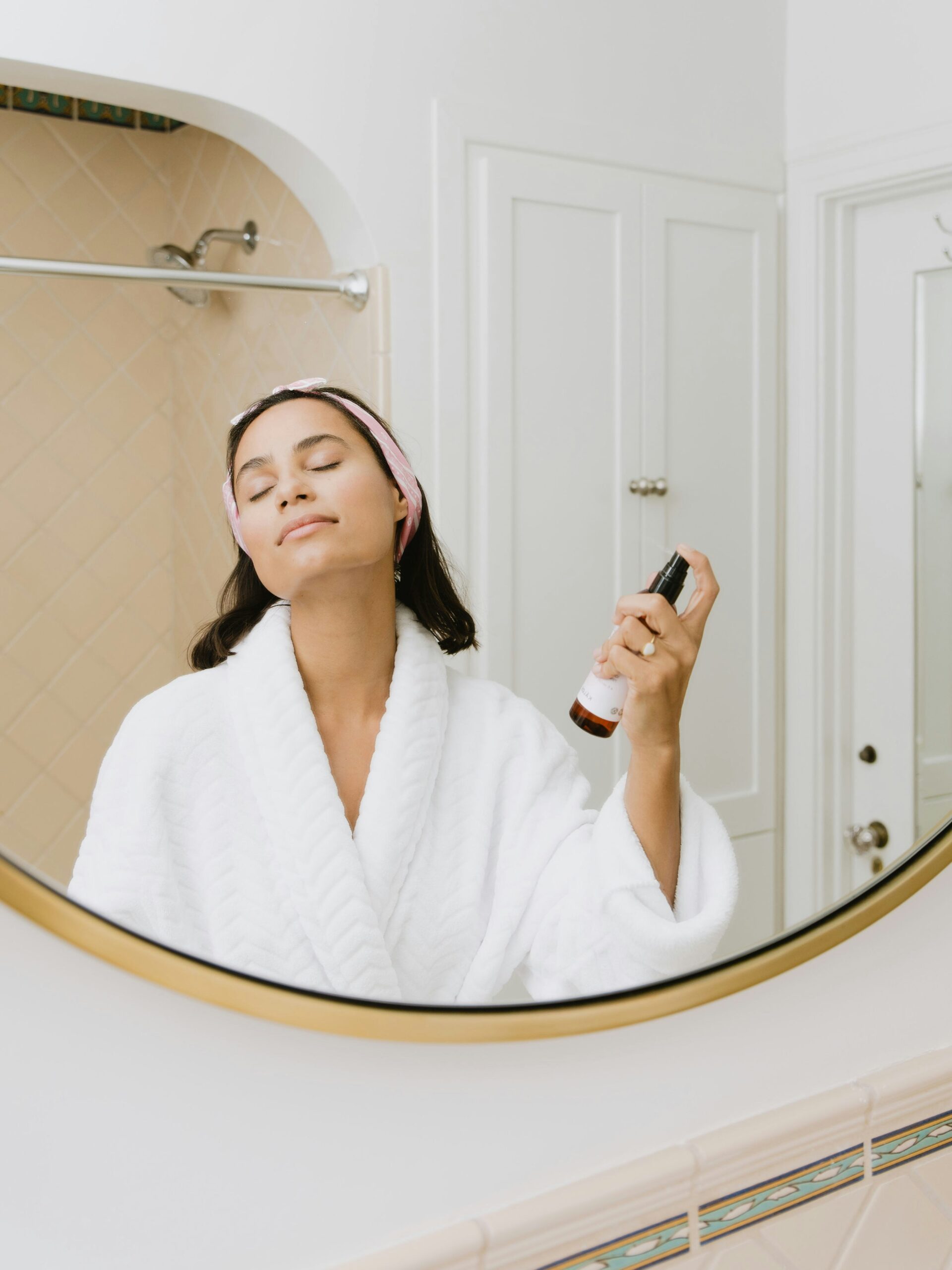

Revamp Your Beauty Routine and Enhance Your Natural Beauty

0

woman in white bathrobe holding smartphone

One of the first things you can do to transform your beauty routine is to assess your current products and make some changes. Take a look at the skincare products you’re using and evaluate if they are still suitable for your skin type and concerns. Our skin changes over time, so what may have worked for you in the past may not be as effective now. Consider consulting with a dermatologist or skincare expert to get personalized recommendations for your specific needs.

When it comes to makeup, it’s always fun to experiment with new products and colors. Take a trip to your local beauty store or browse online for the latest makeup trends and innovations. Maybe it’s time to try that bold red lipstick or experiment with a new eyeshadow palette. Don’t be afraid to step out of your comfort zone and try something new – you might just discover a new favorite product or technique.

Another way to transform your beauty routine is to incorporate more natural and organic products. Many beauty brands now offer a wide range of natural and organic options that are free from harsh chemicals and artificial ingredients. These products can be gentler on your skin and have a positive impact on the environment. Look for certifications like “USDA Organic” or “Cruelty-Free” to ensure that the products you choose align with your values.

Additionally, consider upgrading your haircare routine. If you’ve been using the same shampoo and conditioner for years, it might be time to switch things up. Look for products that are tailored to your hair type and concerns, whether that’s dryness, frizz, or color-treated hair. Don’t forget to give your hair some extra love with regular deep conditioning treatments and heat protectants if you frequently use hot styling tools.

Lastly, don’t forget the importance of self-care in your beauty routine. Taking care of your mental and emotional well-being can have a significant impact on your overall appearance. Make time for activities that bring you joy and help you relax, whether that’s practicing yoga, meditating, or simply taking a long bath. When you feel good on the inside, it radiates on the outside.

By implementing these tips and making some changes to your beauty routine, you can revitalize your look and discover new products and techniques that work best for you. Remember, beauty is all about self-expression and embracing your unique features. So, have fun with it and let your inner beauty shine!

Once you’ve established a solid skincare routine, it’s time to take your skincare game to the next level by incorporating some advanced treatments. These treatments can target specific skin concerns and provide extra nourishment and rejuvenation to your skin.

One popular advanced skincare treatment is the use of serums. Serums are highly concentrated formulas that contain active ingredients such as vitamins, antioxidants, and peptides. They can penetrate deeper into the skin and deliver potent benefits. For example, vitamin C serums can brighten dull skin and fade dark spots, while hyaluronic acid serums can deeply hydrate and plump the skin.

Another advanced skincare treatment to consider is the use of face masks. Face masks can provide intensive hydration, detoxification, and brightening effects. There are various types of face masks available, such as sheet masks, clay masks, and overnight masks. Choose a mask that addresses your specific skin concerns, whether it’s dryness, acne, or uneven skin tone.

In addition to serums and face masks, you may also want to explore the benefits of facial oils. Facial oils are rich in essential fatty acids and antioxidants, which can help nourish and protect the skin. They can be used as a moisturizer or as a booster to enhance the effectiveness of your existing skincare products. Just make sure to choose a facial oil that suits your skin type and won’t clog your pores.

Lastly, consider incorporating regular professional treatments into your skincare routine. These treatments can be done at a spa or by a dermatologist and can include procedures such as chemical peels, microdermabrasion, or laser treatments. These treatments can address specific skin concerns, improve skin texture, and stimulate collagen production.

Remember, upgrading your skincare game doesn’t mean you have to do everything at once. Take it step by step and introduce one new product or treatment at a time. Listen to your skin and observe how it reacts to each addition. With patience and consistency, you’ll be able to achieve the healthy, glowing skin you’ve always desired.

Once you’ve mastered the basics of makeup application, you can take it a step further by exploring different makeup trends and techniques. Stay up to date with the latest beauty trends by following makeup artists and influencers on social media platforms like Instagram and YouTube. They often share their tips, tricks, and product recommendations, which can inspire you to try new looks.

One trend that has gained popularity in recent years is contouring. This technique involves using different shades of foundation or concealer to sculpt and define your facial features. By strategically placing darker shades in the hollows of your cheeks, along your jawline, and on the sides of your nose, and applying lighter shades on the high points of your face, you can create the illusion of more defined cheekbones, a slimmer nose, and a more sculpted jawline.

Another popular trend is the “no-makeup” makeup look. This look focuses on enhancing your natural beauty while still looking fresh and polished. It typically involves using minimal products and opting for sheer, lightweight formulas that blend seamlessly into the skin. The goal is to create a flawless complexion that appears as if you’re not wearing any makeup.

If you’re feeling adventurous, you can also experiment with bold and vibrant colors. Bright eyeshadows, bold lipsticks, and colorful blushes can add a playful and daring element to your makeup routine. Don’t be afraid to step out of your comfort zone and try shades that you wouldn’t normally wear. You might be surprised at how a pop of color can instantly elevate your look and make a statement.

Lastly, don’t forget about the power of a good skincare routine. Taking care of your skin is the foundation of any great makeup look. Cleanse your face twice a day, exfoliate regularly to remove dead skin cells, and moisturize to keep your skin hydrated. Investing in quality skincare products can make a noticeable difference in the appearance and longevity of your makeup.

In conclusion, embracing the power of makeup means exploring new looks, techniques, and trends. Whether you prefer a natural or bold look, makeup allows you to express your individuality and enhance your features. So go ahead, have fun, and let your creativity shine through!

3. Nourish Your Hair from Within

Healthy, shiny hair is the ultimate accessory. If you’re tired of dealing with dull, lifeless locks, it’s time to give your hair some extra love and care. Start by nourishing your hair from within by eating a balanced diet rich in vitamins and minerals. Foods like salmon, avocados, nuts, and leafy greens can work wonders for your hair’s health.

In addition to a healthy diet, consider incorporating a hair care routine that suits your hair type and concerns. This may include using a gentle shampoo and conditioner, applying a nourishing hair mask once a week, and using heat protectant products before styling with hot tools.

But nourishing your hair from within is not just about what you eat or the products you use externally. It’s also about taking care of your overall health and well-being. Stress, lack of sleep, and certain medical conditions can all contribute to hair problems. So, it’s important to address these underlying issues as well.

One way to nourish your hair from within is to practice stress management techniques such as meditation, yoga, or deep breathing exercises. These activities can help reduce stress levels and promote overall well-being, which in turn can have a positive impact on your hair’s health.

Another important aspect of nourishing your hair from within is getting enough sleep. Lack of sleep can disrupt the body’s natural processes, including hair growth and repair. Aim for 7-9 hours of quality sleep every night to give your hair the rest it needs to thrive.

Additionally, certain medical conditions such as hormonal imbalances or nutritional deficiencies can affect the health of your hair. If you suspect that an underlying health issue may be contributing to your hair problems, it’s important to consult with a healthcare professional for proper diagnosis and treatment.

Lastly, don’t forget to trim your hair regularly to get rid of split ends and promote healthy growth. A trip to the salon every few months can make a world of difference in the overall appearance and vitality of your hair. Regular trims help prevent split ends from traveling up the hair shaft, which can lead to breakage and frizz.

In conclusion, nourishing your hair from within is a holistic approach that involves a combination of healthy eating, proper hair care, stress management, and addressing any underlying health issues. By taking care of your hair from the inside out, you can achieve the healthy, shiny locks you’ve always dreamed of.

4. Take Care of Your Hands and Feet

While we often focus on our face and hair, it’s important not to neglect our hands and feet. These areas are exposed to daily wear and tear, so it’s crucial to give them some extra attention.

Start by moisturizing your hands and feet regularly to keep them soft and hydrated. Invest in a good hand cream and foot cream to nourish your skin and prevent dryness and cracking. Look for products that contain ingredients like shea butter, glycerin, or coconut oil, as these can provide intense hydration and help repair any damage.

Additionally, consider exfoliating your hands and feet once a week to remove dead skin cells and promote a smoother texture. You can use a gentle scrub or a pumice stone to slough off the rough patches. This will not only make your hands and feet feel softer but also allow any moisturizers or treatments to penetrate deeper into the skin.

Don’t forget to take care of your nails as well. Keep them trimmed and filed, and apply a coat of nail polish if you like. Regular manicures and pedicures can also be a great way to pamper yourself and keep your nails looking their best. If you prefer to do it at home, make sure to soak your hands and feet in warm water before trimming your nails. This will soften the nails and make them easier to cut.

In addition to regular care, it’s essential to protect your hands and feet from the elements. Wear gloves when doing household chores or gardening to shield your hands from harsh chemicals and prevent them from drying out. Similarly, wear comfortable and supportive shoes that fit well to avoid blisters and foot pain.

By giving your hands and feet the attention they deserve, you can keep them looking and feeling healthy. So, make it a part of your self-care routine to take care of these often-overlooked areas, and you’ll be rewarded with soft, smooth skin and well-groomed nails.

In addition to finding activities that bring you joy and help you relax, it’s important to also pay attention to your diet and exercise routine. Eating a balanced diet rich in fruits, vegetables, and lean proteins can provide your body with the nutrients it needs to maintain a healthy complexion.

Regular exercise not only helps to keep your body fit, but it also improves blood circulation, which can give your skin a natural glow. Whether you prefer going to the gym, practicing yoga, or simply taking a brisk walk, finding a form of exercise that you enjoy and can stick to is key.

Another aspect of self-care to consider is your mental and emotional well-being. Stress can have a negative impact on your skin, causing breakouts and dullness. Finding healthy ways to manage stress, such as through meditation, journaling, or talking to a therapist, can help improve your overall appearance.

Lastly, don’t forget to pamper yourself from time to time. Treat yourself to a spa day, get a massage, or indulge in a DIY beauty treatment at home. Taking the time to focus on yourself and give yourself some extra love and attention can do wonders for your confidence and overall beauty.

Ultimate Beauty Guide for All Skin Types

0

sliced lemon on bathtub

Beauty Tips for All Skin Types

Having healthy and beautiful skin is something that everyone desires. However, with so many different skin types and concerns, it can be challenging to find the right beauty routine that works for you. Whether you have dry, oily, sensitive, or combination skin, these beauty tips are here to help you achieve radiant and flawless skin. Read on to discover the best practices for all skin types.

First and foremost, it is essential to understand your skin type. This knowledge will guide you in selecting the most suitable products and treatments for your specific needs. Dry skin tends to feel tight and rough, while oily skin is prone to excess shine and breakouts. Sensitive skin is easily irritated and may react to certain ingredients, while combination skin has both dry and oily areas.

For those with dry skin, moisturization is key. Look for products that are rich in hydrating ingredients such as hyaluronic acid and glycerin. These ingredients help to lock in moisture and keep your skin plump and supple. Additionally, incorporating a gentle exfoliator into your routine can help to remove dead skin cells and promote cell turnover, revealing a brighter complexion.

On the other hand, if you have oily skin, it is crucial to focus on controlling excess oil production. Look for products that are oil-free and non-comedogenic, meaning they won’t clog your pores. Salicylic acid is a great ingredient to look for as it helps to unclog pores and reduce acne breakouts. Additionally, using a mattifying primer before applying makeup can help to keep shine at bay throughout the day.

For those with sensitive skin, it is essential to be gentle and avoid harsh ingredients. Look for products that are fragrance-free and formulated for sensitive skin. Calming ingredients such as chamomile and aloe vera can help to soothe irritation and redness. It is also crucial to patch test new products before applying them to your entire face to ensure they do not cause any adverse reactions.

If you have combination skin, it is all about finding the right balance. Use a gentle cleanser to remove excess oil from the T-zone while still hydrating the drier areas of your face. Look for lightweight moisturizers that won’t feel heavy on oily areas but will still provide enough hydration for dry areas. Using a toner can also help to rebalance your skin and minimize the appearance of pores.

Regardless of your skin type, it is essential to protect your skin from the sun’s harmful rays. Always apply a broad-spectrum sunscreen with an SPF of 30 or higher, even on cloudy days. This will help to prevent sun damage, premature aging, and reduce the risk of skin cancer.

Remember, achieving beautiful skin is not just about the products you use but also about maintaining a healthy lifestyle. Drink plenty of water, eat a balanced diet rich in fruits and vegetables, and get enough sleep. These habits will help to nourish your skin from within and promote a radiant complexion.

In conclusion, by understanding your skin type and following these beauty tips, you can create a personalized skincare routine that addresses your specific needs. Consistency is key, so stick to your routine and be patient. With time and dedication, you will achieve the healthy and beautiful skin you’ve always wanted.

After choosing the right cleanser for your skin type, it’s important to cleanse your skin properly to maximize its benefits. Start by wetting your face with lukewarm water, as hot water can strip away the skin’s natural oils and cause dryness. Apply a small amount of cleanser to your fingertips or a cleansing brush and gently massage it onto your skin in circular motions.

Focus on areas that tend to accumulate more dirt and oil, such as the T-zone (forehead, nose, and chin). Be sure to cleanse your entire face, including your jawline and neck. Avoid using harsh scrubbing motions, as this can irritate the skin and cause redness.

After cleansing, rinse your face thoroughly with lukewarm water until all traces of cleanser are removed. Pat your skin dry with a clean towel, being careful not to rub or tug at the skin. Leaving your skin slightly damp can help to lock in moisture and prepare it for the next steps in your skincare routine.

It’s important to cleanse your skin both in the morning and at night. In the morning, cleansing helps to remove any sweat, bacteria, or dead skin cells that may have accumulated overnight. In the evening, cleansing removes makeup, dirt, and pollutants from the day, allowing your skin to breathe and regenerate while you sleep.

Remember, cleansing is just the first step in your skincare routine. Follow up with a toner, serum, moisturizer, and sunscreen to complete your regimen. Consistency is key when it comes to skincare, so make sure to cleanse your skin properly every day for a healthy and radiant complexion.

Exfoliation is indeed a crucial step in any skincare routine, as it provides numerous benefits for the skin. By removing dead skin cells, exfoliation helps to promote cell turnover, revealing a fresh and radiant complexion. However, it is essential to choose the right exfoliator that suits your specific skin type and needs.

If you have dry or sensitive skin, it is recommended to opt for a gentle exfoliator that will not cause any irritation or further dryness. Look for exfoliators that contain moisturizing ingredients such as jojoba beads or lactic acid. These ingredients work effectively to slough away dead skin cells without stripping the skin of its natural oils. The gentle exfoliation will leave your skin feeling smooth, soft, and nourished.

On the other hand, if you have oily or acne-prone skin, selecting an exfoliator with specific ingredients is crucial. Look for exfoliators that contain glycolic acid or salicylic acid. These ingredients are known for their ability to penetrate deep into the pores, unclogging them, and removing excess oil. By incorporating these exfoliators into your skincare routine, you can effectively prevent breakouts and promote a clearer complexion.

Regardless of your skin type, it is important not to over-exfoliate. While exfoliation is beneficial, doing it too frequently can lead to irritation and damage to the skin’s protective barrier. Therefore, it is recommended to limit exfoliation to once or twice a week. This frequency allows for sufficient cell turnover without causing any harm to the skin. Remember, consistency is key when it comes to exfoliation.

In addition to choosing the right exfoliator and frequency, it is also important to pay attention to the exfoliation technique. When applying the exfoliator, gently massage it onto damp skin in circular motions. This helps to effectively remove dead skin cells and stimulate blood circulation. However, be cautious not to apply too much pressure or scrub vigorously, as this can cause micro-tears in the skin.

After exfoliating, it is essential to follow up with a moisturizer to replenish the skin’s hydration levels. This step helps to maintain the skin’s moisture balance and prevent any potential dryness or irritation. Additionally, applying a broad-spectrum sunscreen is crucial, as exfoliation can make the skin more susceptible to sun damage.

In conclusion, exfoliation is a vital step in any skincare routine. By choosing the right exfoliator for your skin type and exfoliating in moderation, you can achieve a smoother, brighter, and healthier complexion. Remember to always listen to your skin’s needs and adjust your exfoliation routine accordingly.

Hydration is not only important for maintaining the skin’s natural moisture barrier, but it also plays a crucial role in overall skin health. When the skin is properly hydrated, it appears plump, radiant, and youthful. On the other hand, dehydrated skin can look dull, dry, and even lead to premature aging.

To ensure optimal hydration, it’s important to not only moisturize the skin but also drink an adequate amount of water throughout the day. Drinking water helps to hydrate the skin from within and flush out toxins, resulting in a clearer complexion.

When it comes to choosing a moisturizer, it’s essential to consider your skin type and specific needs. For those with dry skin, a rich and nourishing moisturizer is recommended. These moisturizers are formulated with ingredients like shea butter or ceramides, which have intense moisturizing properties and help to replenish moisture levels in the skin. They create a protective barrier that locks in hydration and prevents dryness throughout the day.

On the other hand, if you have oily or combination skin, you may be hesitant to use a moisturizer for fear of exacerbating oiliness. However, it’s important to note that even oily skin needs hydration. Opt for a lightweight, oil-free moisturizer that won’t clog pores or feel heavy on the skin. Look for ingredients like hyaluronic acid or niacinamide, which have hydrating properties without adding excess oil. These ingredients help to balance the skin’s moisture levels and keep it hydrated without causing breakouts.

For those with sensitive skin, it’s crucial to choose a moisturizer that is gentle and non-irritating. Look for fragrance-free and hypoallergenic options that are specifically formulated for sensitive skin. Ingredients like aloe vera or oat extract are known for their soothing properties and can help to calm irritation and redness.

In addition to using a moisturizer, incorporating other hydrating products into your skincare routine can further enhance the skin’s hydration levels. This can include hydrating serums, face masks, or facial mists. These products are formulated with ingredients that provide an extra boost of hydration and can be used in conjunction with your moisturizer for maximum benefits.

Remember, hydrating and moisturizing your skin should be a daily habit, regardless of your skin type. By keeping your skin properly hydrated, you can achieve a healthy and radiant complexion that is less prone to dryness, irritation, and premature aging.

4. Protect Your Skin from the Sun

Regardless of your skin type, it’s important to protect your skin from the harmful effects of the sun. UV rays can damage the skin and lead to premature aging, sunburns, and even skin cancer.

Make sure to apply a broad-spectrum sunscreen with an SPF of 30 or higher every day, even on cloudy days. Reapply sunscreen every two hours, especially if you’re spending time outdoors or sweating.

In addition to sunscreen, consider wearing protective clothing such as hats, sunglasses, and long sleeves to further shield your skin from the sun’s rays.

When it comes to sunscreen, it’s important to choose a product that offers both UVA and UVB protection. UVA rays can penetrate deep into the skin and contribute to the development of skin cancer, while UVB rays are responsible for sunburns. A broad-spectrum sunscreen protects against both types of rays.

Aside from sunscreen, seeking shade during the peak hours of sunlight, usually between 10 am and 4 pm, can also help protect your skin. The sun’s rays are strongest during these hours, so staying in the shade can significantly reduce your exposure.

It’s worth noting that certain medications and skincare products can increase your skin’s sensitivity to the sun. If you’re taking any medications or using specific skincare products, consult with your healthcare provider or dermatologist to determine if any additional precautions are necessary.

Remember, protecting your skin from the sun isn’t just a summertime concern. UV rays can still be harmful during the winter months and on cloudy days, so it’s essential to maintain good sun protection habits year-round.

5. Eat a Healthy Diet

What you put into your body can also have an impact on your skin’s health. Eating a healthy diet rich in fruits, vegetables, whole grains, and lean proteins can help to nourish your skin from the inside out.

Include foods that are high in antioxidants, such as berries, leafy greens, and nuts, as they help to fight free radicals and protect the skin from damage.

Stay hydrated by drinking plenty of water throughout the day. Hydrated skin is healthy skin, so make sure to drink at least 8 glasses of water daily.

In addition to a well-balanced diet, certain nutrients are particularly beneficial for the skin. For example, vitamin C is essential for collagen production, which helps to keep the skin firm and youthful. You can find vitamin C in citrus fruits, strawberries, and bell peppers.

Another important nutrient for skin health is vitamin E, which acts as a powerful antioxidant and protects the skin from oxidative stress. Good sources of vitamin E include almonds, spinach, and sunflower seeds.

Omega-3 fatty acids are also crucial for maintaining healthy skin. These healthy fats help to keep the skin moisturized and reduce inflammation. You can find omega-3s in fatty fish like salmon, walnuts, and flaxseeds.

Furthermore, it’s important to limit your intake of processed and sugary foods, as they can contribute to inflammation and breakouts. Instead, opt for whole, unprocessed foods that are rich in vitamins, minerals, and antioxidants.

Remember, a healthy diet not only benefits your skin but also your overall well-being. By nourishing your body with the right nutrients, you’ll not only have glowing skin but also feel energized and vibrant.

6. Get Enough Sleep

Adequate sleep is essential for maintaining healthy skin. When you sleep, your body repairs and rejuvenates itself, including your skin. During sleep, your body’s production of collagen, a protein that keeps your skin firm and elastic, increases. Lack of sleep can disrupt this process and lead to a decrease in collagen production, resulting in dull and sagging skin.

Moreover, sleep deprivation affects the natural balance of hormones in your body, particularly cortisol, also known as the stress hormone. When cortisol levels are elevated due to lack of sleep, it can lead to inflammation and break down the collagen and elastin fibers in your skin, causing premature aging and the formation of wrinkles.

In addition to collagen production and hormone regulation, sleep is also crucial for the proper functioning of your skin’s barrier. During sleep, your skin’s barrier is strengthened, allowing it to better retain moisture and protect itself from external factors like pollution and UV radiation. Without enough sleep, your skin’s barrier becomes compromised, leading to dryness, sensitivity, and an increased risk of skin disorders like eczema and acne.

Furthermore, lack of sleep can contribute to the development of under-eye circles and puffiness. When you don’t get enough rest, the blood vessels under your eyes can dilate, causing dark circles to appear. Additionally, fluid can accumulate in the area, resulting in puffiness and a tired appearance.

To ensure that you are getting enough quality sleep, establish a regular sleep schedule and create a relaxing bedtime routine. Avoid caffeine and electronic devices before bed, as they can interfere with your ability to fall asleep. Creating a comfortable sleep environment, with a cool temperature and minimal noise and light, can also promote better sleep.

Aim for 7-8 hours of uninterrupted sleep each night to allow your skin to regenerate and wake up looking refreshed. By prioritizing sleep, you are not only taking care of your overall well-being but also promoting healthy and glowing skin.

7. Manage Stress Levels

Stress can have a negative impact on your skin, leading to breakouts, inflammation, and other skin issues. Finding healthy ways to manage stress is important for maintaining healthy skin.

Engage in activities that help you relax and unwind, such as yoga, meditation, or taking a bath. Find what works best for you and make it a priority to incorporate stress-relieving activities into your daily routine.

In addition to these activities, it is also important to identify and address the underlying causes of stress in your life. This could involve making changes in your work environment, setting boundaries in your personal relationships, or seeking professional help if needed.

Another effective way to manage stress is through regular exercise. Physical activity releases endorphins, which are natural mood-boosters and can help reduce stress levels. Aim for at least 30 minutes of moderate-intensity exercise most days of the week.

Furthermore, ensuring you get enough sleep is crucial for managing stress. Lack of sleep can exacerbate stress levels and make it more difficult for your body to recover. Aim for 7-9 hours of quality sleep each night to support optimal skin health.

Incorporating stress management techniques into your daily routine may take time and experimentation to find what works best for you. It is important to be patient with yourself and prioritize self-care. Remember, managing stress is not only beneficial for your skin, but also for your overall well-being.

8. Avoid Harsh Ingredients

When it comes to skincare products, it’s important to avoid harsh ingredients that can irritate the skin. This is especially true if you have sensitive skin.

Avoid products that contain alcohol, fragrances, and artificial dyes, as these can cause irritation and dryness. Instead, opt for products with gentle and natural ingredients that are suitable for your skin type.

Harsh ingredients can be found in a variety of skincare products, including cleansers, toners, moisturizers, and even makeup. These ingredients can strip the skin of its natural oils, leading to dryness, redness, and irritation.

Alcohol, for example, is commonly found in toners and astringents. While it may give a temporary feeling of freshness and tightness to the skin, it can actually disrupt the skin’s natural barrier function and lead to increased dryness and sensitivity.

Fragrances, on the other hand, may smell nice, but they can be highly irritating to the skin, especially for those with sensitive skin. Artificial dyes, often used to give products a pleasing color, can also cause irritation and allergic reactions.

Instead of products that contain these harsh ingredients, look for skincare products that are labeled as fragrance-free, alcohol-free, and dye-free. These products are formulated to be gentle on the skin and are less likely to cause irritation.

When choosing skincare products, it’s also important to consider your specific skin type and concerns. For example, if you have dry skin, look for products that are hydrating and moisturizing. If you have oily or acne-prone skin, opt for products that are oil-free and non-comedogenic.

In addition to avoiding harsh ingredients in your skincare products, it’s also important to take other steps to protect your skin. This includes wearing sunscreen daily, staying hydrated, and maintaining a healthy lifestyle.

By being mindful of the ingredients in your skincare products and taking steps to protect your skin, you can help maintain a healthy and radiant complexion.

Ultimate Beauty Guide for All Skin Types

0

sliced lemon on bathtub

Beauty Tips for All Skin Types

Having healthy and beautiful skin is something that everyone desires. However, with so many different skin types and concerns, it can be challenging to find the right beauty routine that works for you. Whether you have dry, oily, sensitive, or combination skin, these beauty tips are here to help you achieve radiant and flawless skin. Read on to discover the best practices for all skin types.

First and foremost, it is essential to understand your skin type. This knowledge will guide you in selecting the most suitable products and treatments for your specific needs. Dry skin tends to feel tight and rough, while oily skin is prone to excess shine and breakouts. Sensitive skin is easily irritated and may react to certain ingredients, while combination skin has both dry and oily areas.

For those with dry skin, moisturization is key. Look for products that are rich in hydrating ingredients such as hyaluronic acid and glycerin. These ingredients help to lock in moisture and keep your skin plump and supple. Additionally, incorporating a gentle exfoliator into your routine can help to remove dead skin cells and promote cell turnover, revealing a brighter complexion.

On the other hand, if you have oily skin, it is crucial to focus on controlling excess oil production. Look for products that are oil-free and non-comedogenic, meaning they won’t clog your pores. Salicylic acid is a great ingredient to look for as it helps to unclog pores and reduce acne breakouts. Additionally, using a mattifying primer before applying makeup can help to keep shine at bay throughout the day.

For those with sensitive skin, it is essential to be gentle and avoid harsh ingredients. Look for products that are fragrance-free and formulated for sensitive skin. Calming ingredients such as chamomile and aloe vera can help to soothe irritation and redness. It is also crucial to patch test new products before applying them to your entire face to ensure they do not cause any adverse reactions.

If you have combination skin, it is all about finding the right balance. Use a gentle cleanser to remove excess oil from the T-zone while still hydrating the drier areas of your face. Look for lightweight moisturizers that won’t feel heavy on oily areas but will still provide enough hydration for dry areas. Using a toner can also help to rebalance your skin and minimize the appearance of pores.

Regardless of your skin type, it is essential to protect your skin from the sun’s harmful rays. Always apply a broad-spectrum sunscreen with an SPF of 30 or higher, even on cloudy days. This will help to prevent sun damage, premature aging, and reduce the risk of skin cancer.

Remember, achieving beautiful skin is not just about the products you use but also about maintaining a healthy lifestyle. Drink plenty of water, eat a balanced diet rich in fruits and vegetables, and get enough sleep. These habits will help to nourish your skin from within and promote a radiant complexion.

In conclusion, by understanding your skin type and following these beauty tips, you can create a personalized skincare routine that addresses your specific needs. Consistency is key, so stick to your routine and be patient. With time and dedication, you will achieve the healthy and beautiful skin you’ve always wanted.

After choosing the right cleanser for your skin type, it’s important to cleanse your skin properly to maximize its benefits. Start by wetting your face with lukewarm water, as hot water can strip away the skin’s natural oils and cause dryness. Apply a small amount of cleanser to your fingertips or a cleansing brush and gently massage it onto your skin in circular motions.

Focus on areas that tend to accumulate more dirt and oil, such as the T-zone (forehead, nose, and chin). Be sure to cleanse your entire face, including your jawline and neck. Avoid using harsh scrubbing motions, as this can irritate the skin and cause redness.

After cleansing, rinse your face thoroughly with lukewarm water until all traces of cleanser are removed. Pat your skin dry with a clean towel, being careful not to rub or tug at the skin. Leaving your skin slightly damp can help to lock in moisture and prepare it for the next steps in your skincare routine.

It’s important to cleanse your skin both in the morning and at night. In the morning, cleansing helps to remove any sweat, bacteria, or dead skin cells that may have accumulated overnight. In the evening, cleansing removes makeup, dirt, and pollutants from the day, allowing your skin to breathe and regenerate while you sleep.

Remember, cleansing is just the first step in your skincare routine. Follow up with a toner, serum, moisturizer, and sunscreen to complete your regimen. Consistency is key when it comes to skincare, so make sure to cleanse your skin properly every day for a healthy and radiant complexion.

Exfoliation is indeed a crucial step in any skincare routine, as it provides numerous benefits for the skin. By removing dead skin cells, exfoliation helps to promote cell turnover, revealing a fresh and radiant complexion. However, it is essential to choose the right exfoliator that suits your specific skin type and needs.

If you have dry or sensitive skin, it is recommended to opt for a gentle exfoliator that will not cause any irritation or further dryness. Look for exfoliators that contain moisturizing ingredients such as jojoba beads or lactic acid. These ingredients work effectively to slough away dead skin cells without stripping the skin of its natural oils. The gentle exfoliation will leave your skin feeling smooth, soft, and nourished.

On the other hand, if you have oily or acne-prone skin, selecting an exfoliator with specific ingredients is crucial. Look for exfoliators that contain glycolic acid or salicylic acid. These ingredients are known for their ability to penetrate deep into the pores, unclogging them, and removing excess oil. By incorporating these exfoliators into your skincare routine, you can effectively prevent breakouts and promote a clearer complexion.

Regardless of your skin type, it is important not to over-exfoliate. While exfoliation is beneficial, doing it too frequently can lead to irritation and damage to the skin’s protective barrier. Therefore, it is recommended to limit exfoliation to once or twice a week. This frequency allows for sufficient cell turnover without causing any harm to the skin. Remember, consistency is key when it comes to exfoliation.

In addition to choosing the right exfoliator and frequency, it is also important to pay attention to the exfoliation technique. When applying the exfoliator, gently massage it onto damp skin in circular motions. This helps to effectively remove dead skin cells and stimulate blood circulation. However, be cautious not to apply too much pressure or scrub vigorously, as this can cause micro-tears in the skin.

After exfoliating, it is essential to follow up with a moisturizer to replenish the skin’s hydration levels. This step helps to maintain the skin’s moisture balance and prevent any potential dryness or irritation. Additionally, applying a broad-spectrum sunscreen is crucial, as exfoliation can make the skin more susceptible to sun damage.

In conclusion, exfoliation is a vital step in any skincare routine. By choosing the right exfoliator for your skin type and exfoliating in moderation, you can achieve a smoother, brighter, and healthier complexion. Remember to always listen to your skin’s needs and adjust your exfoliation routine accordingly.

Hydration is not only important for maintaining the skin’s natural moisture barrier, but it also plays a crucial role in overall skin health. When the skin is properly hydrated, it appears plump, radiant, and youthful. On the other hand, dehydrated skin can look dull, dry, and even lead to premature aging.

To ensure optimal hydration, it’s important to not only moisturize the skin but also drink an adequate amount of water throughout the day. Drinking water helps to hydrate the skin from within and flush out toxins, resulting in a clearer complexion.

When it comes to choosing a moisturizer, it’s essential to consider your skin type and specific needs. For those with dry skin, a rich and nourishing moisturizer is recommended. These moisturizers are formulated with ingredients like shea butter or ceramides, which have intense moisturizing properties and help to replenish moisture levels in the skin. They create a protective barrier that locks in hydration and prevents dryness throughout the day.

On the other hand, if you have oily or combination skin, you may be hesitant to use a moisturizer for fear of exacerbating oiliness. However, it’s important to note that even oily skin needs hydration. Opt for a lightweight, oil-free moisturizer that won’t clog pores or feel heavy on the skin. Look for ingredients like hyaluronic acid or niacinamide, which have hydrating properties without adding excess oil. These ingredients help to balance the skin’s moisture levels and keep it hydrated without causing breakouts.

For those with sensitive skin, it’s crucial to choose a moisturizer that is gentle and non-irritating. Look for fragrance-free and hypoallergenic options that are specifically formulated for sensitive skin. Ingredients like aloe vera or oat extract are known for their soothing properties and can help to calm irritation and redness.

In addition to using a moisturizer, incorporating other hydrating products into your skincare routine can further enhance the skin’s hydration levels. This can include hydrating serums, face masks, or facial mists. These products are formulated with ingredients that provide an extra boost of hydration and can be used in conjunction with your moisturizer for maximum benefits.

Remember, hydrating and moisturizing your skin should be a daily habit, regardless of your skin type. By keeping your skin properly hydrated, you can achieve a healthy and radiant complexion that is less prone to dryness, irritation, and premature aging.

4. Protect Your Skin from the Sun

Regardless of your skin type, it’s important to protect your skin from the harmful effects of the sun. UV rays can damage the skin and lead to premature aging, sunburns, and even skin cancer.

Make sure to apply a broad-spectrum sunscreen with an SPF of 30 or higher every day, even on cloudy days. Reapply sunscreen every two hours, especially if you’re spending time outdoors or sweating.

In addition to sunscreen, consider wearing protective clothing such as hats, sunglasses, and long sleeves to further shield your skin from the sun’s rays.

When it comes to sunscreen, it’s important to choose a product that offers both UVA and UVB protection. UVA rays can penetrate deep into the skin and contribute to the development of skin cancer, while UVB rays are responsible for sunburns. A broad-spectrum sunscreen protects against both types of rays.

Aside from sunscreen, seeking shade during the peak hours of sunlight, usually between 10 am and 4 pm, can also help protect your skin. The sun’s rays are strongest during these hours, so staying in the shade can significantly reduce your exposure.

It’s worth noting that certain medications and skincare products can increase your skin’s sensitivity to the sun. If you’re taking any medications or using specific skincare products, consult with your healthcare provider or dermatologist to determine if any additional precautions are necessary.

Remember, protecting your skin from the sun isn’t just a summertime concern. UV rays can still be harmful during the winter months and on cloudy days, so it’s essential to maintain good sun protection habits year-round.

5. Eat a Healthy Diet

What you put into your body can also have an impact on your skin’s health. Eating a healthy diet rich in fruits, vegetables, whole grains, and lean proteins can help to nourish your skin from the inside out.

Include foods that are high in antioxidants, such as berries, leafy greens, and nuts, as they help to fight free radicals and protect the skin from damage.

Stay hydrated by drinking plenty of water throughout the day. Hydrated skin is healthy skin, so make sure to drink at least 8 glasses of water daily.

In addition to a well-balanced diet, certain nutrients are particularly beneficial for the skin. For example, vitamin C is essential for collagen production, which helps to keep the skin firm and youthful. You can find vitamin C in citrus fruits, strawberries, and bell peppers.

Another important nutrient for skin health is vitamin E, which acts as a powerful antioxidant and protects the skin from oxidative stress. Good sources of vitamin E include almonds, spinach, and sunflower seeds.

Omega-3 fatty acids are also crucial for maintaining healthy skin. These healthy fats help to keep the skin moisturized and reduce inflammation. You can find omega-3s in fatty fish like salmon, walnuts, and flaxseeds.

Furthermore, it’s important to limit your intake of processed and sugary foods, as they can contribute to inflammation and breakouts. Instead, opt for whole, unprocessed foods that are rich in vitamins, minerals, and antioxidants.

Remember, a healthy diet not only benefits your skin but also your overall well-being. By nourishing your body with the right nutrients, you’ll not only have glowing skin but also feel energized and vibrant.

6. Get Enough Sleep

Adequate sleep is essential for maintaining healthy skin. When you sleep, your body repairs and rejuvenates itself, including your skin. During sleep, your body’s production of collagen, a protein that keeps your skin firm and elastic, increases. Lack of sleep can disrupt this process and lead to a decrease in collagen production, resulting in dull and sagging skin.

Moreover, sleep deprivation affects the natural balance of hormones in your body, particularly cortisol, also known as the stress hormone. When cortisol levels are elevated due to lack of sleep, it can lead to inflammation and break down the collagen and elastin fibers in your skin, causing premature aging and the formation of wrinkles.

In addition to collagen production and hormone regulation, sleep is also crucial for the proper functioning of your skin’s barrier. During sleep, your skin’s barrier is strengthened, allowing it to better retain moisture and protect itself from external factors like pollution and UV radiation. Without enough sleep, your skin’s barrier becomes compromised, leading to dryness, sensitivity, and an increased risk of skin disorders like eczema and acne.

Furthermore, lack of sleep can contribute to the development of under-eye circles and puffiness. When you don’t get enough rest, the blood vessels under your eyes can dilate, causing dark circles to appear. Additionally, fluid can accumulate in the area, resulting in puffiness and a tired appearance.

To ensure that you are getting enough quality sleep, establish a regular sleep schedule and create a relaxing bedtime routine. Avoid caffeine and electronic devices before bed, as they can interfere with your ability to fall asleep. Creating a comfortable sleep environment, with a cool temperature and minimal noise and light, can also promote better sleep.

Aim for 7-8 hours of uninterrupted sleep each night to allow your skin to regenerate and wake up looking refreshed. By prioritizing sleep, you are not only taking care of your overall well-being but also promoting healthy and glowing skin.

7. Manage Stress Levels

Stress can have a negative impact on your skin, leading to breakouts, inflammation, and other skin issues. Finding healthy ways to manage stress is important for maintaining healthy skin.

Engage in activities that help you relax and unwind, such as yoga, meditation, or taking a bath. Find what works best for you and make it a priority to incorporate stress-relieving activities into your daily routine.

In addition to these activities, it is also important to identify and address the underlying causes of stress in your life. This could involve making changes in your work environment, setting boundaries in your personal relationships, or seeking professional help if needed.

Another effective way to manage stress is through regular exercise. Physical activity releases endorphins, which are natural mood-boosters and can help reduce stress levels. Aim for at least 30 minutes of moderate-intensity exercise most days of the week.

Furthermore, ensuring you get enough sleep is crucial for managing stress. Lack of sleep can exacerbate stress levels and make it more difficult for your body to recover. Aim for 7-9 hours of quality sleep each night to support optimal skin health.

Incorporating stress management techniques into your daily routine may take time and experimentation to find what works best for you. It is important to be patient with yourself and prioritize self-care. Remember, managing stress is not only beneficial for your skin, but also for your overall well-being.

8. Avoid Harsh Ingredients

When it comes to skincare products, it’s important to avoid harsh ingredients that can irritate the skin. This is especially true if you have sensitive skin.

Avoid products that contain alcohol, fragrances, and artificial dyes, as these can cause irritation and dryness. Instead, opt for products with gentle and natural ingredients that are suitable for your skin type.

Harsh ingredients can be found in a variety of skincare products, including cleansers, toners, moisturizers, and even makeup. These ingredients can strip the skin of its natural oils, leading to dryness, redness, and irritation.

Alcohol, for example, is commonly found in toners and astringents. While it may give a temporary feeling of freshness and tightness to the skin, it can actually disrupt the skin’s natural barrier function and lead to increased dryness and sensitivity.

Fragrances, on the other hand, may smell nice, but they can be highly irritating to the skin, especially for those with sensitive skin. Artificial dyes, often used to give products a pleasing color, can also cause irritation and allergic reactions.

Instead of products that contain these harsh ingredients, look for skincare products that are labeled as fragrance-free, alcohol-free, and dye-free. These products are formulated to be gentle on the skin and are less likely to cause irritation.

When choosing skincare products, it’s also important to consider your specific skin type and concerns. For example, if you have dry skin, look for products that are hydrating and moisturizing. If you have oily or acne-prone skin, opt for products that are oil-free and non-comedogenic.

In addition to avoiding harsh ingredients in your skincare products, it’s also important to take other steps to protect your skin. This includes wearing sunscreen daily, staying hydrated, and maintaining a healthy lifestyle.

By being mindful of the ingredients in your skincare products and taking steps to protect your skin, you can help maintain a healthy and radiant complexion.

Tips for Achieving a Youthful and Beautiful Appearance

0

sitting woman

Tips for Achieving a Youthful and Beautiful Appearance

As we age, many of us strive to maintain a youthful and beautiful appearance. While there is no magic potion to turn back the clock, there are several tips and tricks that can help us look and feel our best. From skincare routines to lifestyle choices, here are some effective strategies for achieving a youthful and beautiful appearance.

One of the key factors in maintaining a youthful appearance is taking care of our skin. A consistent skincare routine is essential, and it should include cleansing, exfoliating, moisturizing, and protecting our skin from the sun. Cleansing removes dirt and impurities, while exfoliating helps to remove dead skin cells and promote cell turnover. Moisturizing is crucial for keeping our skin hydrated and supple, and using sunscreen daily is vital to protect our skin from harmful UV rays that can cause premature aging.

In addition to a skincare routine, our lifestyle choices can greatly impact our appearance. Eating a balanced diet rich in fruits, vegetables, and lean proteins can provide our bodies with the necessary nutrients to support healthy skin. Avoiding excessive alcohol consumption and smoking can also help to maintain a youthful appearance, as these habits can contribute to premature aging and damage to our skin.

Regular exercise is another important aspect of achieving a youthful and beautiful appearance. Exercise helps to improve blood circulation, which can result in a healthy glow and improved skin tone. It also helps to reduce stress, which can have a negative impact on our skin and overall well-being. Incorporating activities such as yoga or meditation into our routine can further enhance the benefits of exercise by promoting relaxation and reducing stress levels.

Getting enough sleep is often overlooked, but it plays a significant role in our appearance. Lack of sleep can lead to dark circles, dull skin, and an overall tired and aged look. Aim for at least 7-8 hours of quality sleep each night to allow your body and skin to rejuvenate and repair itself.

Lastly, maintaining a positive mindset and practicing self-care are essential for achieving a youthful and beautiful appearance. Stress and negative emotions can take a toll on our physical appearance, so it’s important to prioritize activities that bring us joy and relaxation. Whether it’s spending time with loved ones, engaging in hobbies, or pampering ourselves with a spa day, taking care of our mental and emotional well-being is just as important as taking care of our physical appearance.

In conclusion, while we cannot stop the aging process, we can take steps to maintain a youthful and beautiful appearance. By following a consistent skincare routine, making healthy lifestyle choices, exercising regularly, getting enough sleep, and practicing self-care, we can enhance our natural beauty and feel confident in our own skin at any age.

When it comes to taking care of your skin, it’s not just about the products you use, but also about adopting healthy habits. One of the most crucial habits for maintaining youthful skin is staying hydrated. Drinking plenty of water throughout the day helps to keep your skin hydrated from the inside out, preventing dryness and promoting a healthy glow.

Another important aspect of skincare is exfoliation. Regularly exfoliating your skin helps to remove dead skin cells and promote cell turnover, revealing fresh and radiant skin. There are various exfoliation methods to choose from, such as chemical exfoliants like AHAs and BHAs or physical exfoliants like scrubs and brushes. Find the method that works best for your skin type and incorporate it into your skincare routine.

In addition to your daily skincare routine, it’s essential to pamper your skin with treatments and masks occasionally. These treatments can help to address specific concerns like dullness, acne, or uneven skin tone. Consider using face masks that contain ingredients like clay, charcoal, or antioxidants, as they can provide a deep cleanse and nourishment to your skin.

Furthermore, taking care of your skin also involves protecting it from environmental factors that can accelerate aging. Apart from wearing sunscreen daily, it’s important to shield your skin from pollution and free radicals. Look for skincare products that contain antioxidants like vitamin E and green tea extract, as they help to neutralize free radicals and prevent damage to your skin.

Lastly, don’t forget about the importance of a healthy lifestyle in maintaining youthful skin. Getting enough sleep, managing stress levels, and eating a balanced diet can all contribute to the overall health and appearance of your skin. Lack of sleep and high levels of stress can lead to dullness, breakouts, and premature aging, so prioritize self-care and make time for relaxation.

In conclusion, taking care of your skin goes beyond a basic skincare routine. It involves adopting healthy habits, staying hydrated, exfoliating regularly, using treatments and masks, protecting your skin from environmental factors, and maintaining a healthy lifestyle. By following these steps, you can achieve and maintain a youthful appearance for years to come.

In addition to eating a healthy diet, it is important to stay hydrated by drinking plenty of water throughout the day. Water helps to flush out toxins from the body and keeps the skin hydrated, resulting in a more youthful and radiant complexion.

Another key aspect of maintaining a healthy diet is to limit your intake of refined sugars and carbohydrates. These foods can cause spikes in blood sugar levels, leading to inflammation and breakouts. Instead, opt for complex carbohydrates like whole grains, which provide a steady source of energy and are rich in essential nutrients.

Furthermore, incorporating a variety of vitamins and minerals into your diet can have a positive impact on your skin’s appearance. Vitamin C, for example, is essential for collagen production, which helps to keep the skin firm and supple. Foods such as citrus fruits, bell peppers, and leafy greens are excellent sources of vitamin C.

Additionally, vitamin E is known for its antioxidant properties and can help protect the skin from damage caused by environmental factors such as UV rays. Foods like almonds, avocados, and sunflower seeds are rich in vitamin E and can be easily incorporated into a balanced diet.

Lastly, don’t forget about the importance of a balanced and varied diet. Including a wide range of fruits, vegetables, lean proteins, and healthy fats in your meals will provide your body with the necessary nutrients to support overall health and well-being, which will be reflected in your skin’s appearance.

3. Stay Hydrated

Proper hydration is essential for healthy skin and overall well-being. Drinking an adequate amount of water each day can help flush out toxins, improve skin elasticity, and prevent dryness.

Make it a habit to drink at least eight glasses of water daily, and consider incorporating hydrating foods into your diet, such as cucumbers, watermelon, and celery. These foods are not only delicious but also contain high water content, which can contribute to your overall hydration.

In addition to drinking water and eating hydrating foods, you can also take steps to ensure that the air around you is properly moisturized. Using a humidifier in your home or office can add moisture to the air, especially during dry winter months. This can help prevent your skin from becoming dry and flaky, as well as alleviate symptoms of dryness such as itchiness and irritation.

Furthermore, staying hydrated can have numerous benefits beyond just improving your skin. It can help regulate your body temperature, support digestion, and aid in the transportation of nutrients throughout your body. When you are properly hydrated, you may also experience increased energy levels and improved cognitive function.

Remember, the recommended amount of water intake can vary based on factors such as your age, sex, activity level, and overall health. It’s always a good idea to consult with a healthcare professional to determine the right amount of water for you.

4. Get Enough Sleep

Adequate sleep is often overlooked but plays a crucial role in maintaining a youthful appearance. During sleep, your body repairs and rejuvenates itself, including the skin cells. Lack of sleep can lead to a variety of issues, such as dull skin, dark circles under the eyes, and an overall tired and aged appearance.

To ensure you get enough quality sleep, it’s important to establish a consistent sleep schedule. Aim for seven to eight hours of sleep each night, as this is the recommended amount for adults. Going to bed and waking up at the same time every day can help regulate your body’s internal clock and improve the quality of your sleep.

In addition to a consistent sleep schedule, creating a relaxing bedtime routine can also promote better sleep. Engage in activities that help you unwind and signal to your body that it’s time to wind down. This could include reading a book, practicing meditation or deep breathing exercises, or taking a warm bath. Find what works best for you and incorporate it into your nightly routine.

If you find yourself struggling to fall asleep or stay asleep, it may be helpful to make your bedroom a sleep-friendly environment. Keep the room cool, dark, and quiet to create an optimal sleeping environment. Consider investing in blackout curtains to block out any external light, earplugs to minimize noise disturbances, and a fan or white noise machine to create a soothing background sound.

Another factor that can significantly impact your sleep quality is the use of electronic devices before bed. The blue light emitted by smartphones, tablets, and computers can interfere with your body’s natural sleep patterns and make it harder to fall asleep. To promote better sleep, establish a digital curfew and avoid using electronic devices for at least an hour before bed. Instead, engage in relaxing activities that do not involve screens, such as reading a physical book or writing in a journal.

By prioritizing sleep and making it a non-negotiable part of your self-care routine, you can reap the benefits of a well-rested body and maintain a youthful appearance.

Regular exercise is a key component in maintaining a youthful appearance and overall health. Engaging in physical activity has numerous benefits for the body, including improving blood circulation and delivering essential nutrients and oxygen to the skin. This increased blood flow contributes to a healthy and radiant complexion, giving you that sought-after youthful glow.
To make exercise a regular part of your routine, it’s important to find activities that you genuinely enjoy. Whether it’s jogging, yoga, dancing, or swimming, choose something that brings you joy and makes you excited to move your body. By selecting activities that you find enjoyable, you are more likely to stick with them in the long run.
Aim for at least 30 minutes of moderate-intensity exercise most days of the week. This can be broken down into shorter sessions if needed, such as three 10-minute sessions throughout the day. Moderate-intensity exercise includes activities that increase your heart rate and make you break a sweat, but still allow you to carry on a conversation comfortably.
In addition to cardiovascular exercises, it’s essential to incorporate strength training into your routine. Strength training exercises help tone your muscles, improve your posture, and increase your overall strength. This can be done using free weights, resistance bands, or even your body weight. Aim to include strength training exercises at least two to three times a week, focusing on different muscle groups each session.
Remember to listen to your body and give yourself rest days to allow for recovery. Pushing yourself too hard without proper rest can lead to burnout and potential injuries. Find a balance that works for you and gradually increase the intensity and duration of your workouts as your fitness level improves.
By making regular exercise a priority in your life, you are not only taking care of your physical health but also investing in your overall well-being and youthful appearance. So lace up your sneakers, find an activity that brings you joy, and get moving! Your body and skin will thank you for it.

Another effective way to manage stress is through regular exercise. Physical activity releases endorphins, which are known as “feel-good” hormones, and can help reduce stress levels. Engaging in activities such as jogging, swimming, or dancing can not only improve your physical health but also provide a much-needed mental break from daily stressors.

In addition to exercise, maintaining a healthy diet can also play a significant role in managing stress. Certain foods, such as those high in omega-3 fatty acids, vitamin C, and magnesium, have been shown to have stress-reducing properties. Incorporating foods like fatty fish, citrus fruits, and leafy greens into your diet can help promote a sense of calm and well-being.

Furthermore, getting enough sleep is crucial for managing stress. Lack of sleep can exacerbate stress levels and make it more difficult to cope with daily challenges. Aim for seven to eight hours of quality sleep each night to ensure you wake up feeling refreshed and ready to take on the day.

In today’s fast-paced world, it’s important to prioritize self-care and make time for activities that bring you joy. Whether it’s reading a book, taking a bubble bath, or indulging in a hobby, carving out time for yourself can help alleviate stress and promote a sense of balance in your life.

Lastly, seeking support from others can also be beneficial in managing stress. Talking to a trusted friend or family member about your concerns can provide a fresh perspective and offer emotional support. Alternatively, consider seeking professional help from a therapist or counselor who can provide guidance and coping strategies for dealing with stress.

By incorporating these stress management techniques into your daily routine, you can not only improve your physical appearance but also enhance your overall well-being. Remember, taking care of yourself is essential for maintaining a youthful and beautiful appearance inside and out.

7. Avoid Smoking and Limit Alcohol Consumption

Smoking is not only detrimental to your overall health but also has a significant impact on your appearance. It accelerates the aging process, causes wrinkles, and dulls the complexion. The harmful chemicals in cigarettes, such as nicotine and carbon monoxide, constrict blood vessels and reduce the flow of oxygen and nutrients to the skin. This leads to a decrease in collagen and elastin production, which are essential for maintaining the skin’s elasticity and firmness.

If you smoke, consider quitting or seeking professional help to quit. Quitting smoking can have numerous benefits for your skin and overall health. Within weeks of quitting, you may notice improvements in your complexion, reduced wrinkles, and a healthier glow. Additionally, quitting smoking can reduce the risk of developing various skin conditions, such as psoriasis, acne, and skin cancer.

Limiting alcohol consumption is also important for maintaining healthy skin. While moderate alcohol consumption may not have significant negative effects, excessive drinking can dehydrate your skin and contribute to inflammation. Alcohol is a diuretic, meaning it increases urine production and leads to dehydration. This can result in dry, dull skin and an increased risk of developing wrinkles and fine lines.

Furthermore, excessive alcohol consumption can weaken the skin’s natural barrier function, making it more susceptible to environmental damage and infections. It can also exacerbate existing skin conditions, such as rosacea and eczema. To maintain healthy skin, it is advisable to limit alcohol consumption and stay hydrated by drinking plenty of water.

In conclusion, avoiding smoking and limiting alcohol consumption are crucial for maintaining healthy and youthful-looking skin. Quitting smoking can reverse some of the damage caused by cigarettes and reduce the risk of developing various skin conditions. Similarly, reducing alcohol intake can prevent dehydration, inflammation, and other skin-related problems. By making these lifestyle changes, you can improve the overall health and appearance of your skin.

8. Practice Good Posture

Believe it or not, your posture can greatly affect how youthful and confident you appear. Slouching can make you look older and tired, while good posture can instantly make you appear more vibrant and youthful.

When you stand up straight, aligning your shoulders with your hips and keeping your chin parallel to the ground, you not only improve your physical appearance but also enhance your overall well-being. Good posture helps to maintain the natural curves of your spine, preventing strain on your muscles and joints. It also allows for optimal organ function and proper digestion.

However, practicing good posture goes beyond just standing or sitting up straight. It requires a conscious effort to maintain proper alignment throughout your daily activities. Whether you are walking, lifting objects, or even using your smartphone, it is important to be mindful of your posture.

One way to improve your posture is by strengthening your core muscles. Core exercises such as Pilates or yoga can help you develop a strong and stable core, which is essential for maintaining good posture. These exercises focus on strengthening the muscles in your abdomen, back, and pelvis, providing the necessary support for your spine.

In addition to core exercises, incorporating stretching and flexibility exercises into your routine can also contribute to better posture. Stretching helps to relieve muscle tension and tightness, allowing for greater mobility and range of motion. It can also help correct imbalances in muscle strength and flexibility, which can affect your posture.

Furthermore, being aware of your body mechanics can make a significant difference in your posture. For example, when lifting heavy objects, it is important to use your legs and not your back to avoid straining your spine. Similarly, when sitting for long periods, it is beneficial to use an ergonomic chair that supports the natural curves of your spine.

By practicing good posture consistently, you not only improve your physical appearance but also promote a healthier and more confident self. So, stand tall, align your body, and embrace the benefits of good posture in your daily life.

Must-Know Beauty Tips for a Flawless Look

0

sliced lemon on bathtub

Introduction

Welcome to our blog post on must-know beauty tips for a flawless look! Whether you’re getting ready for a special occasion or simply want to enhance your everyday appearance, these tips will help you achieve a flawless and radiant look. From skincare to makeup techniques, we’ve got you covered. So, let’s dive right in!

First and foremost, let’s talk about the importance of skincare. A flawless look starts with a healthy and well-nourished complexion. Before applying any makeup, it’s essential to take care of your skin. This means following a consistent skincare routine that includes cleansing, toning, and moisturizing. Cleansing removes dirt, oil, and impurities from your skin, while toning helps to balance its pH levels. Moisturizing, on the other hand, keeps your skin hydrated and supple.

In addition to the basic skincare routine, incorporating exfoliation into your weekly regimen is crucial. Exfoliating helps to remove dead skin cells, revealing a fresh and glowing complexion. There are various exfoliation methods available, including physical scrubs and chemical exfoliants. Choose the one that suits your skin type and be sure to follow the instructions carefully to avoid any irritation.

Once you have a solid skincare routine in place, it’s time to move on to makeup. One of the key tips for achieving a flawless look is to start with a good primer. Primer creates a smooth canvas for your makeup, helping it to last longer and appear more even. Apply a small amount of primer all over your face, focusing on areas with larger pores or fine lines.

Next, let’s talk about foundation. Finding the right shade and formula for your skin is essential. When selecting a foundation, consider your skin type (dry, oily, or combination) and choose a formula that suits your needs. If you have dry skin, opt for a hydrating foundation, while those with oily skin may prefer a matte or oil-free formula. Apply foundation evenly using a brush, sponge, or your fingertips, blending it into your skin for a seamless finish.

Now that your base is set, it’s time to enhance your features with some strategically applied makeup. Define your eyebrows using a brow pencil or powder that matches your hair color. Well-groomed eyebrows frame your face and add structure to your overall look. Next, apply eyeshadow to enhance your eyes. Choose shades that complement your eye color and blend them seamlessly for a natural or more dramatic effect, depending on the occasion.

Don’t forget about your lashes! Curl them with an eyelash curler for an instant lift, then apply mascara to add volume and length. If you want to take it a step further, false lashes can instantly transform your look. Just be sure to trim them to fit your eye shape and apply them carefully for a seamless blend.

Lastly, let’s not forget about the finishing touches. Add a touch of blush to your cheeks for a healthy and youthful glow. Choose a shade that complements your skin tone and apply it to the apples of your cheeks, blending it upwards towards your temples. For a radiant highlight, apply a small amount of highlighter to the high points of your face, such as your cheekbones, brow bone, and the bridge of your nose.

And there you have it! With these must-know beauty tips, you’ll be able to achieve a flawless and radiant look for any occasion. Remember, practice makes perfect, so don’t be afraid to experiment and find what works best for you. Now go ahead and rock that flawless look!

4. Nourish Your Skin from Within

While a good skincare routine is important, it’s equally essential to nourish your skin from within. Eating a balanced diet rich in vitamins, minerals, and antioxidants can greatly improve the health and appearance of your skin. Include plenty of fruits, vegetables, whole grains, and lean proteins in your meals to provide your skin with the nutrients it needs.

Additionally, staying hydrated is crucial for maintaining healthy skin. Drink plenty of water throughout the day to keep your skin hydrated and plump. Dehydration can lead to dryness, dullness, and even breakouts, so make sure to make water a staple in your daily routine.

5. Customize Your Skincare Routine

Every person’s skin is unique, so it’s important to customize your skincare routine according to your specific needs. Pay attention to your skin’s concerns and address them with targeted products. For example, if you have acne-prone skin, incorporate products with salicylic acid or benzoyl peroxide to help control breakouts. If you have sensitive skin, opt for gentle, fragrance-free products to avoid irritation.

Regularly assess your skin’s condition and adjust your skincare routine accordingly. As your skin changes with age, hormones, and environmental factors, you may need to switch up products or add additional steps to your routine to keep your skin looking its best.

6. Don’t Forget the Eye Area

The delicate skin around your eyes requires special attention. The skin in this area is thinner and more prone to fine lines and wrinkles. Incorporate an eye cream into your skincare routine to hydrate and protect this sensitive area. Look for ingredients like hyaluronic acid and peptides that can help plump and firm the skin, reducing the appearance of crow’s feet and dark circles.

Remember to be gentle when applying eye cream and use your ring finger to lightly pat it into the skin. Avoid tugging or pulling on the delicate eye area, as this can cause damage and premature aging.

7. Get Regular Professional Treatments

In addition to your at-home skincare routine, consider getting regular professional treatments to give your skin an extra boost. Treatments like facials, chemical peels, and microdermabrasion can help address specific skin concerns and improve the overall health and appearance of your skin.

Consult with a skincare professional to determine which treatments are best suited for your skin type and concerns. They can recommend the frequency and type of treatments that will yield the best results for your skin.

By prioritizing skincare, you can achieve a flawless complexion that will make your makeup application effortless. Remember to be consistent with your skincare routine and listen to your skin’s needs to keep it looking its best.

Flawless Foundation Application

Once you have a well-prepped canvas, it’s time to apply foundation for a flawless base. Here are some tips to achieve a seamless foundation application:

1. Find the Right Shade

Choosing the right shade of foundation is crucial for a natural and flawless look. Test the foundation on your jawline or wrist to find a shade that matches your skin tone. Avoid shades that are too light or too dark, as they can make your complexion look unnatural.

2. Use a Primer

A primer creates a smooth surface for foundation application and helps it last longer. Apply a small amount of primer all over your face, focusing on areas with enlarged pores or fine lines. This will help blur imperfections and create a flawless base for your foundation.

3. Apply Foundation with a Beauty Blender or Brush

For a seamless and airbrushed finish, use a damp beauty blender or a foundation brush to apply your foundation. Start by dotting the foundation onto your face and then blend it in using a bouncing or buffing motion. This will ensure even coverage and prevent streaks.

4. Set Your Foundation

To make your foundation last longer and prevent it from creasing or transferring, set it with a translucent powder. Use a fluffy brush to lightly dust the powder over your face, focusing on areas prone to oiliness. This will give your skin a matte finish and help your makeup stay in place throughout the day.

Additionally, it is important to consider the type of foundation that works best for your skin. If you have dry skin, opt for a hydrating or dewy foundation formula that will give you a radiant and moisturized finish. On the other hand, if you have oily skin, look for a matte or oil-free foundation that will help control shine and keep your skin looking fresh throughout the day.

When applying foundation, it is also essential to blend it seamlessly into your neck and hairline to avoid any noticeable lines or uneven color. This will create a more natural and cohesive look.

Furthermore, if you have specific areas of concern such as blemishes or dark circles, you can use a concealer before applying foundation. This will provide extra coverage and help camouflage any imperfections.

Lastly, remember to always start with a small amount of foundation and build it up gradually if needed. This will prevent your makeup from looking cakey or heavy.

By following these tips and techniques, you can achieve a flawless foundation application that enhances your natural beauty and creates a perfect base for the rest of your makeup look.

Enhancing Your Features

Now that your base is flawless, let’s move on to enhancing your features. Here are some tips and tricks to make your eyes, lips, and cheeks stand out:

1. Accentuate Your Eyes

For captivating eyes, start by curling your lashes with an eyelash curler. This opens up your eyes and makes them appear bigger. Apply a coat of mascara to add volume and length to your lashes. If you want to take it a step further, experiment with eyeshadows and eyeliners to create different eye looks.

Eyeshadows come in a variety of colors and finishes, allowing you to create endless combinations and effects. For a natural everyday look, opt for neutral shades like browns and taupes. If you’re feeling bold and adventurous, try vibrant colors like blues, purples, or greens. Don’t be afraid to play with different textures, such as matte, shimmer, or metallic, to add depth and dimension to your eyes.

When it comes to eyeliners, you have several options to choose from. Pencil eyeliners are great for creating precise lines, while gel or liquid eyeliners offer a more intense and long-lasting effect. Experiment with different techniques, like winged eyeliner or tightlining, to enhance the shape of your eyes.

2. Define Your Brows

Well-groomed eyebrows frame your face and give it a polished look. Fill in any sparse areas using an eyebrow pencil or powder that matches your natural hair color. Use short, feathery strokes to mimic the appearance of real hair. Finish off by brushing your brows with a spoolie brush to blend the product and set them in place.

If you want to achieve a more defined and sculpted look, consider using a brow pomade or gel. These products provide a stronger hold and can help create a more dramatic arch. Remember to choose a shade that matches your hair color and use a light hand to avoid a harsh and unnatural look.

In addition to filling in your brows, you can also shape them to enhance your features. Consider consulting with a professional brow stylist to determine the best shape for your face shape and personal style. They can help you achieve the perfect arch and guide you on how to maintain your brows at home.

3. Choose the Right Lip Color

Your lip color can instantly transform your look. Choose a shade that complements your skin tone and the occasion. For a natural look, opt for nude or neutral shades. If you want to make a statement, go for bold and vibrant colors. Don’t forget to moisturize your lips before applying any lip product to keep them soft and hydrated.

When selecting a lip color, consider the undertones of your skin. If you have warm undertones, shades like peach, coral, and warm reds will flatter you. For cool undertones, try shades with blue or purple undertones, such as berry or mauve. If you’re unsure about your undertones, a classic red lipstick with a neutral undertone is universally flattering.

Experiment with different finishes, like matte, satin, or glossy, to achieve different looks. Matte lipsticks offer a long-lasting and velvety finish, while glossy lipsticks provide a shiny and plump effect. Lip stains and tinted lip balms are great for a more natural and subtle look.

4. Add a Pop of Color to Your Cheeks

A touch of blush can make a huge difference in brightening up your complexion. Smile and apply blush to the apples of your cheeks using a blush brush. Blend it outwards towards your temples for a natural-looking flush. Choose a shade that suits your skin tone, whether it’s a soft pink, peach, or coral.

Blushes come in various formulations, such as powder, cream, and liquid. Powder blushes are easy to blend and provide a matte finish. Cream and liquid blushes offer a more dewy and natural-looking flush. Consider your skin type and the desired effect when choosing the formulation.

When applying blush, remember that a little goes a long way. Start with a small amount and build up the color gradually to avoid a heavy-handed look. If you accidentally apply too much blush, use a clean brush or sponge to blend and diffuse the color. You can also use a translucent powder to tone down the intensity.

Don’t be afraid to experiment with different blush placement techniques to achieve different effects. For a youthful and fresh look, apply blush higher on the apples of your cheeks. If you want to contour and sculpt your face, apply blush slightly below your cheekbones.

4. Define Your Brows

Don’t forget to give your brows some attention. Well-defined brows can frame your face and enhance your overall look. Use a brow pencil or powder that matches your natural hair color to fill in any sparse areas and create a more polished appearance. Brush through your brows with a spoolie brush to blend the product and achieve a natural finish.

5. Add a Pop of Color

Now that your base makeup is complete, it’s time to add a pop of color to your look. Choose a blush shade that complements your skin tone and apply it to the apples of your cheeks. This will give your complexion a healthy, youthful glow. Additionally, you can add a touch of highlighter to the high points of your face, such as the cheekbones, brow bone, and down the bridge of your nose, to create a radiant, lit-from-within look.

6. Perfect Your Pout

Your finishing touches wouldn’t be complete without paying attention to your lips. Exfoliate your lips with a gentle lip scrub to remove any dry, flaky skin. Then, apply a moisturizing lip balm to keep them hydrated. Choose a lipstick or lip gloss in a shade that complements your overall makeup look and apply it evenly to your lips. Blot with a tissue and reapply for long-lasting color.

7. Seal the Look with Setting Powder

To ensure your makeup stays in place all day and has a flawless finish, apply a light dusting of setting powder. This will help to absorb excess oil, minimize the appearance of pores, and set your makeup in place. Use a large fluffy brush to apply the powder in a pressing motion, focusing on the areas where makeup tends to fade or crease, such as the T-zone.

8. Don’t Forget the Finishing Spray

Finally, complete your flawless look by spritzing on a makeup finishing spray. This will not only lock in your makeup but also give your skin a natural, dewy finish. Hold the bottle about an arm’s length away from your face and mist it evenly. Allow it to dry before touching your face or applying any additional products.

By following these finishing touches, you can ensure that your makeup look stays flawless and fresh throughout the day. Whether you’re attending a special event or simply want to look your best, these tips will help you achieve a polished, long-lasting look that will turn heads wherever you go.

The Ultimate Guide to Beauty: Tips, Tricks, and Secrets for Radiant Skin and Flawless Makeup

0

sliced lemon on bathtub

In today’s fast-paced world, taking care of ourselves often takes a backseat. However, it is essential to prioritize self-care and make time for beauty rituals that can help us feel confident and radiant. This ultimate guide to beauty tips aims to provide you with practical advice and expert insights to help you navigate the vast world of beauty products and techniques.

One of the first steps towards achieving a flawless complexion is establishing a skincare routine that suits your skin type. Whether you have oily, dry, or combination skin, understanding the specific needs of your skin is crucial. This guide will delve into the importance of cleansing, toning, and moisturizing, and provide recommendations for products suitable for different skin types.

Furthermore, we will explore the benefits of incorporating natural ingredients into your skincare routine. From the soothing properties of aloe vera to the nourishing effects of honey, nature offers a treasure trove of ingredients that can revitalize your skin. Additionally, we will discuss the significance of protecting your skin from harmful UV rays and the importance of using sunscreen daily.

As we move beyond skincare, this guide will also delve into the world of makeup. Whether you’re a beginner or an experienced makeup enthusiast, we will share tips and tricks to help you achieve a flawless makeup look. From mastering the art of foundation application to creating the perfect winged eyeliner, we will cover a wide range of topics to enhance your makeup skills.

Moreover, this guide will go beyond the basics and explore the latest trends in beauty. From the rise of clean beauty to the growing popularity of K-beauty, we will provide insights into the evolving landscape of the beauty industry. We will also discuss the importance of embracing individuality and self-expression, encouraging readers to experiment with different styles and trends.

Finally, this guide will address the importance of inner beauty and self-confidence. While beauty products and techniques can enhance our physical appearance, true beauty radiates from within. We will explore practices such as mindfulness, self-care, and positive affirmations that can help boost self-esteem and foster a healthy relationship with oneself.

So, whether you’re looking for advice on achieving a flawless complexion, mastering the art of makeup, or boosting your self-confidence, this ultimate guide to beauty tips has something for everyone. Get ready to embark on a journey of self-discovery and uncover the secrets to unlocking your inner glow!

4. Nourish Your Skin from Within

While a good skincare routine is important, it’s equally crucial to nourish your skin from within. What you put into your body can have a significant impact on the health and appearance of your skin. Make sure to consume a balanced diet rich in fruits, vegetables, whole grains, and lean proteins. These foods are packed with vitamins, minerals, and antioxidants that can help promote a radiant complexion.

In addition to a healthy diet, staying hydrated is also key. Drinking an adequate amount of water throughout the day helps to flush out toxins, maintain skin elasticity, and improve overall skin health. Aim to drink at least eight glasses of water daily, and consider incorporating hydrating foods like cucumbers, watermelon, and citrus fruits into your diet.

5. Get Plenty of Sleep

Adequate sleep is often referred to as “beauty sleep” for a reason. When you’re sleep-deprived, your skin can appear dull, tired, and lackluster. On the other hand, getting enough sleep allows your body to repair and regenerate skin cells, resulting in a more youthful and radiant complexion.

Make it a priority to get seven to nine hours of quality sleep each night. Establish a relaxing bedtime routine, create a sleep-friendly environment, and avoid stimulants like caffeine and electronic devices before bed. Investing in a good quality pillow and bedding can also contribute to a better night’s sleep and healthier-looking skin.

6. Manage Stress

Stress can wreak havoc on your skin, leading to breakouts, inflammation, and premature aging. Therefore, it’s important to find healthy ways to manage stress and promote relaxation. Engaging in activities like yoga, meditation, or deep breathing exercises can help reduce stress levels and improve overall skin health.

Additionally, make time for activities that bring you joy and help you unwind. Whether it’s spending time with loved ones, pursuing a hobby, or enjoying nature, finding moments of happiness and relaxation can have a positive impact on your skin and overall well-being.

By incorporating these skincare secrets into your daily routine, you can achieve and maintain a radiant complexion. Remember, consistency is key, so stick to your skincare routine and make self-care a priority. Your skin will thank you for it!

Makeup Tips and Tricks for Enhancing Your Features

Makeup is a powerful tool for enhancing your natural features and expressing your personal style. Here are some tips and tricks to help you achieve a flawless makeup look:

1. Start with a Good Base

Achieving a flawless makeup look begins with a good base. Start by applying a primer to smooth out your skin’s texture and help your makeup last longer. Then, use a foundation or tinted moisturizer that matches your skin tone to even out your complexion. Conceal any blemishes or dark circles with a concealer, and set everything in place with a light dusting of translucent powder.

2. Enhance Your Eyes

Your eyes are often considered the windows to your soul, so why not make them stand out? To enhance your eyes, use neutral eyeshadows to create a subtle, everyday look, or experiment with bold colors for a more dramatic effect. Don’t forget to curl your lashes and apply mascara to add volume and length. If you want to take it a step further, try applying eyeliner or false lashes for extra definition.

3. Experiment with Lip Colors

Your lips can be a statement on their own. Experiment with different lip colors to find shades that complement your skin tone and personal style. Whether you prefer a classic red, a natural nude, or a playful pink, there’s a shade out there for everyone. Don’t forget to moisturize your lips regularly to keep them soft and supple.

4. Define Your Brows

Well-groomed eyebrows can make a significant difference in framing your face and enhancing your overall look. Use an eyebrow pencil or powder that matches your natural hair color to fill in any sparse areas and define the shape of your brows. Brush them upward with a spoolie brush for a more natural look, or set them in place with a clear brow gel for a polished finish.

5. Contour and Highlight

Contouring and highlighting can help create dimension and enhance your facial features. Use a contour powder or cream that is a few shades darker than your skin tone to define your cheekbones, jawline, and nose. Apply it with a fluffy brush and blend well to avoid any harsh lines. Then, use a highlighter on the high points of your face, such as the cheekbones, brow bone, and cupid’s bow, to add a subtle glow.

6. Play with Blush

Blush can instantly brighten up your complexion and give you a healthy, youthful glow. Choose a blush shade that complements your skin tone, whether it’s a soft peach, rosy pink, or warm coral. Smile and apply the blush to the apples of your cheeks, then blend it out towards your temples for a natural flush of color.

7. Set Your Makeup

To make sure your makeup stays in place all day, set it with a setting spray or a light dusting of setting powder. This will help control shine and prevent your makeup from smudging or melting off. Carry a travel-sized setting spray in your bag for touch-ups throughout the day.

Remember, makeup should be fun and a way to express yourself. Don’t be afraid to experiment with different techniques and products to find what works best for you. With these tips and tricks, you’ll be able to enhance your natural features and feel confident in your makeup look.

4. Nourish Your Body with Nutrient-Rich Foods

Your diet plays a significant role in your overall health and beauty. To enhance both your inner and outer beauty, focus on consuming nutrient-rich foods. Incorporate a variety of fruits, vegetables, whole grains, lean proteins, and healthy fats into your meals. These foods provide essential vitamins, minerals, and antioxidants that promote healthy skin, hair, and nails.

5. Engage in Regular Physical Activity

Exercise not only helps you maintain a healthy weight but also contributes to your overall beauty. Engaging in regular physical activity increases blood circulation, which delivers oxygen and nutrients to your skin cells, giving you a healthy glow. It also helps reduce stress, boosts your mood, and improves your posture, all of which contribute to your outer beauty.

6. Protect Your Skin from the Sun

Excessive sun exposure can lead to premature aging, wrinkles, and an increased risk of skin cancer. Protect your skin by wearing sunscreen with at least SPF 30, even on cloudy days. Additionally, seek shade during peak sun hours, wear protective clothing, and use sunglasses and a wide-brimmed hat to shield your face from harmful UV rays.

7. Manage Stress Levels

Stress can take a toll on your physical and mental well-being, affecting your overall beauty. Chronic stress can lead to skin issues, hair loss, and a tired appearance. Find healthy ways to manage stress, such as practicing mindfulness techniques, deep breathing exercises, or engaging in activities that bring you joy. Taking care of your mental health will reflect positively on your outer beauty.

8. Maintain a Consistent Skincare Routine

A consistent skincare routine is crucial for maintaining healthy, radiant skin. Cleanse your face twice a day, exfoliate regularly to remove dead skin cells, and moisturize to keep your skin hydrated. Don’t forget to wear sunscreen daily and incorporate serums or treatments that target your specific skin concerns. Consulting with a dermatologist can help you establish a skincare routine tailored to your needs.

9. Practice Good Hygiene

Good hygiene is essential for both your inner and outer beauty. Regularly wash your hands, shower or bathe daily, and brush and floss your teeth to maintain oral health. Cleanliness not only helps prevent illness and infections but also contributes to your overall appearance and confidence.

10. Surround Yourself with Positivity

Your environment and the people you surround yourself with can greatly impact your overall well-being and beauty. Surround yourself with positive, supportive individuals who uplift and inspire you. Create a positive living space by decluttering, organizing, and incorporating elements that bring you joy. A positive mindset and environment contribute to your inner beauty and radiance.

By incorporating these healthy habits into your lifestyle, you can enhance both your inner and outer beauty. Remember, beauty is not just skin deep, but a reflection of your overall well-being and self-care practices.

Achieving a Natural and Radiant Glow: Effective Beauty Tips for a Glowing Complexion

0

white cotton buds on white surface

Introduction

Having a glowing complexion is something that many people strive for. A radiant and healthy-looking skin can boost your confidence and make you feel more beautiful. While there are countless beauty products on the market that promise to give you a glowing complexion, the key to achieving this look lies in taking care of your skin from the inside out. In this article, we will explore some effective beauty tips that can help you achieve a natural and radiant glow.

One of the most important factors in achieving a glowing complexion is maintaining a healthy lifestyle. This includes eating a balanced diet, exercising regularly, and getting enough sleep. A diet rich in fruits, vegetables, and whole grains provides your skin with essential nutrients and antioxidants that can help improve its overall appearance. Regular exercise increases blood flow to the skin, promoting a healthy glow. Additionally, getting enough sleep allows your body to repair and regenerate skin cells, resulting in a more radiant complexion.

In addition to maintaining a healthy lifestyle, it is crucial to establish a consistent skincare routine. This includes cleansing, exfoliating, and moisturizing your skin regularly. Cleansing removes dirt, oil, and impurities from the surface of your skin, allowing it to breathe and absorb nutrients more effectively. Exfoliating helps to remove dead skin cells, revealing a fresher and more youthful complexion. Moisturizing is essential to keep your skin hydrated and prevent dryness, which can make your skin appear dull and lackluster.

Furthermore, protecting your skin from the sun’s harmful UV rays is vital for maintaining a glowing complexion. Excessive sun exposure can lead to premature aging, sunspots, and an uneven skin tone. Therefore, it is crucial to wear sunscreen with a high SPF on a daily basis, even on cloudy days. Additionally, wearing protective clothing, such as hats and sunglasses, can further shield your skin from the sun’s damaging effects.

Another key aspect of achieving a natural and radiant glow is managing stress levels. High levels of stress can wreak havoc on your skin, leading to breakouts, inflammation, and a dull complexion. Finding healthy ways to manage stress, such as practicing yoga, meditation, or engaging in hobbies, can help improve your skin’s overall appearance. Additionally, incorporating relaxation techniques into your daily routine, such as taking a warm bath or indulging in a facial massage, can promote a sense of calm and enhance your skin’s radiance.

In conclusion, achieving a glowing complexion requires a combination of healthy lifestyle choices and a consistent skincare routine. By nourishing your body from the inside out, protecting your skin from the sun, and managing stress levels, you can achieve a natural and radiant glow that will make you feel confident and beautiful.

Another important step in a consistent skincare routine is to protect your skin from harmful UV rays. Apply a broad-spectrum sunscreen with at least SPF 30 every morning, even on cloudy days. This will help prevent sun damage, premature aging, and reduce the risk of skin cancer.

In addition to these daily steps, incorporating targeted treatments into your skincare routine can address specific concerns. For example, if you have acne-prone skin, consider using a spot treatment with ingredients like salicylic acid to help clear breakouts. If you have dry skin, a hydrating serum or face oil can provide an extra boost of moisture.

It’s also important to note that skincare routines can vary depending on individual needs and preferences. Some people may choose to incorporate additional steps such as using a face mask once or twice a week, or incorporating a retinol or vitamin C serum into their routine for anti-aging benefits.

Remember, consistency is key when it comes to skincare. It may take time to see noticeable results, so it’s important to stick to your routine and give your skin time to adjust and improve. Be patient and don’t be afraid to experiment with different products to find what works best for you.

Lastly, don’t underestimate the power of a healthy lifestyle in achieving a glowing complexion. Eating a balanced diet, staying hydrated, getting enough sleep, and managing stress can all contribute to the overall health and appearance of your skin. Taking care of your skin from the inside out will complement your skincare routine and help you achieve that radiant glow.

2. Protect Your Skin from the Sun

Exposure to the sun’s harmful UV rays can damage your skin and cause it to age prematurely. To protect your skin and maintain a glowing complexion, it is essential to wear sunscreen every day, even on cloudy days. Look for a broad-spectrum sunscreen with an SPF of 30 or higher and apply it generously to all exposed areas of your body.

In addition to sunscreen, consider wearing a wide-brimmed hat and sunglasses to provide extra protection for your face and eyes. Seek shade during the peak hours of sunlight, usually between 10 am and 4 pm, when the sun’s rays are the strongest.

When it comes to sunscreen, it’s important to choose the right type for your skin. If you have sensitive skin, opt for a sunscreen that is fragrance-free and hypoallergenic. For those with oily or acne-prone skin, look for oil-free or non-comedogenic formulas that won’t clog your pores. If you have dry skin, consider a sunscreen with added moisturizers to keep your skin hydrated throughout the day.

Remember to reapply sunscreen every two hours, or more frequently if you are swimming or sweating. Even water-resistant sunscreens can wear off over time, so it’s crucial to stay vigilant and protect your skin from the sun’s harmful rays.

In addition to sunscreen, there are other steps you can take to shield your skin from the sun. Wearing protective clothing, such as long-sleeved shirts and pants, can provide an extra layer of defense against UV rays. Look for clothing with a UPF (Ultraviolet Protection Factor) rating, which indicates how effectively the fabric blocks UV radiation.

Furthermore, don’t forget to protect your lips from the sun by applying a lip balm with SPF. The delicate skin on your lips is often overlooked but is susceptible to sunburn and damage. Choose a lip balm that offers broad-spectrum protection and reapply it throughout the day.

Lastly, it’s important to remember that sun protection is not just for the summer months. UV rays can still be harmful during the winter, especially when reflected off snow or ice. So, make sun protection a year-round habit to keep your skin healthy and youthful.

3. Stay Hydrated

Proper hydration is crucial for a glowing complexion. Drinking an adequate amount of water throughout the day helps to flush out toxins from your body and keeps your skin hydrated from within. Aim to drink at least 8 glasses of water daily, or more if you are physically active or live in a hot climate.

In addition to drinking water, you can also incorporate hydrating foods into your diet. Fruits and vegetables with high water content, such as watermelon, cucumber, and strawberries, can contribute to your overall hydration and help your skin look plump and radiant.

When it comes to hydration, it’s not just about what you drink, but also what you apply topically. Using a moisturizer that is specifically formulated to hydrate the skin can work wonders in maintaining its moisture balance. Look for moisturizers that contain ingredients like hyaluronic acid, glycerin, and ceramides, as these help to attract and retain water in the skin.

Another way to keep your skin hydrated is by using a facial mist throughout the day. Facial mists are a quick and refreshing way to give your skin a boost of hydration, especially when you’re on the go or feeling a bit dry. Look for mists that contain ingredients like rose water, aloe vera, or cucumber extract, as these have soothing and hydrating properties.

In addition to drinking water and using hydrating products, it’s important to avoid factors that can dehydrate your skin. Excessive sun exposure, hot showers, and harsh cleansers can strip your skin of its natural oils and lead to dryness. Try to limit your time in the sun, take lukewarm showers instead of hot ones, and opt for gentle cleansers that won’t disrupt your skin’s moisture barrier.

Overall, staying hydrated is essential for maintaining healthy and radiant skin. By incorporating both internal and external hydration methods into your routine, you can ensure that your skin stays plump, moisturized, and glowing.

When it comes to achieving a glowing complexion, it’s not just about what you eat, but also how you eat. Taking the time to sit down and enjoy your meals can have a positive impact on your skin.

Chewing your food thoroughly and eating slowly allows your body to properly digest and absorb the nutrients from your meal. This can help ensure that your skin receives the necessary vitamins and minerals it needs to stay healthy and radiant.

In addition to eating a balanced diet, staying hydrated is also crucial for maintaining healthy skin. Drinking an adequate amount of water throughout the day can help flush out toxins from your body and keep your skin hydrated from within.

While a balanced diet is essential for healthy skin, it’s important to remember that no single food or nutrient can magically transform your complexion overnight. It’s a combination of various factors, including genetics, lifestyle choices, and skincare routine, that contribute to the overall health and appearance of your skin.

Therefore, it’s important to approach skincare holistically and not solely rely on diet alone. Regular exercise, sufficient sleep, stress management, and a consistent skincare regimen are all equally important in achieving and maintaining a radiant complexion.

By incorporating these habits into your daily routine, you can nourish your skin from the inside out and enjoy a healthy, glowing complexion that reflects your overall well-being.

5. Get Enough Sleep

Adequate sleep is essential for maintaining a healthy complexion. While you sleep, your body goes into repair mode, and your skin cells regenerate. Lack of sleep can lead to dull and tired-looking skin.

Try to establish a consistent sleep schedule and aim for 7-8 hours of quality sleep each night. Create a relaxing bedtime routine that includes turning off electronic devices, practicing relaxation techniques, and ensuring your sleeping environment is comfortable and conducive to sleep.

In addition to the benefits it brings to your skin, getting enough sleep also plays a crucial role in your overall health and well-being. Sleep deprivation has been linked to a variety of health issues, including obesity, heart disease, and diabetes. When you don’t get enough sleep, your body’s immune system weakens, making you more susceptible to illnesses and infections.

Furthermore, lack of sleep can negatively impact your mental health. It can lead to increased stress levels, difficulty concentrating, and impaired cognitive function. On the other hand, getting enough sleep improves your mood, enhances your memory, and boosts your creativity and problem-solving abilities.

To ensure you get a good night’s sleep, it’s important to create a sleep-friendly environment. Keep your bedroom cool, dark, and quiet. Invest in a comfortable mattress and pillows that provide adequate support for your body. If noise is an issue, consider using earplugs or a white noise machine to block out any disturbances.

Establishing a consistent sleep routine can also help signal to your body that it’s time to wind down and prepare for sleep. Try to go to bed and wake up at the same time every day, even on weekends. Avoid stimulating activities or consuming caffeine close to bedtime, as they can interfere with your ability to fall asleep.

If you struggle with falling asleep or staying asleep, it may be helpful to incorporate relaxation techniques into your bedtime routine. This can include practices such as deep breathing exercises, meditation, or gentle stretching. Engaging in these activities can help calm your mind and relax your body, making it easier to drift off into a restful sleep.

Remember, getting enough sleep is not only crucial for maintaining a healthy complexion but also for promoting overall health and well-being. Prioritize sleep as an essential part of your self-care routine and reap the numerous benefits it offers.

6. Manage Stress

Stress can take a toll on your skin and contribute to various skin issues, including breakouts and dullness. Finding healthy ways to manage stress is crucial for maintaining a glowing complexion.

Engage in activities that help you relax and unwind, such as practicing yoga, meditating, or taking a warm bath. These activities can help reduce the levels of stress hormones in your body, which in turn can have a positive impact on your skin. Yoga, for example, not only helps you stretch and strengthen your body but also encourages deep breathing and mindfulness, both of which can help calm your mind and reduce stress.

Regular exercise can also be an effective stress reliever and can help improve blood circulation, which is beneficial for your skin. When you exercise, your body releases endorphins, which are known as “feel-good” hormones. These hormones can help improve your mood and reduce stress levels. Additionally, exercise can increase blood flow to your skin, delivering essential nutrients and oxygen that can promote a healthy, radiant complexion.

Additionally, make sure to prioritize self-care and set aside time for activities that bring you joy and help you recharge. Whether it’s reading a book, spending time in nature, or pursuing a hobby, find what works best for you and incorporate it into your routine. Taking care of your mental and emotional well-being is just as important as taking care of your skin, and finding ways to manage stress can have a profound impact on both.

Achieving a Natural and Radiant Glow: Effective Beauty Tips for a Glowing Complexion

0

white cotton buds on white surface

Introduction

Having a glowing complexion is something that many people strive for. A radiant and healthy-looking skin can boost your confidence and make you feel more beautiful. While there are countless beauty products on the market that promise to give you a glowing complexion, the key to achieving this look lies in taking care of your skin from the inside out. In this article, we will explore some effective beauty tips that can help you achieve a natural and radiant glow.

One of the most important factors in achieving a glowing complexion is maintaining a healthy lifestyle. This includes eating a balanced diet, exercising regularly, and getting enough sleep. A diet rich in fruits, vegetables, and whole grains provides your skin with essential nutrients and antioxidants that can help improve its overall appearance. Regular exercise increases blood flow to the skin, promoting a healthy glow. Additionally, getting enough sleep allows your body to repair and regenerate skin cells, resulting in a more radiant complexion.

In addition to maintaining a healthy lifestyle, it is crucial to establish a consistent skincare routine. This includes cleansing, exfoliating, and moisturizing your skin regularly. Cleansing removes dirt, oil, and impurities from the surface of your skin, allowing it to breathe and absorb nutrients more effectively. Exfoliating helps to remove dead skin cells, revealing a fresher and more youthful complexion. Moisturizing is essential to keep your skin hydrated and prevent dryness, which can make your skin appear dull and lackluster.

Furthermore, protecting your skin from the sun’s harmful UV rays is vital for maintaining a glowing complexion. Excessive sun exposure can lead to premature aging, sunspots, and an uneven skin tone. Therefore, it is crucial to wear sunscreen with a high SPF on a daily basis, even on cloudy days. Additionally, wearing protective clothing, such as hats and sunglasses, can further shield your skin from the sun’s damaging effects.

Another key aspect of achieving a natural and radiant glow is managing stress levels. High levels of stress can wreak havoc on your skin, leading to breakouts, inflammation, and a dull complexion. Finding healthy ways to manage stress, such as practicing yoga, meditation, or engaging in hobbies, can help improve your skin’s overall appearance. Additionally, incorporating relaxation techniques into your daily routine, such as taking a warm bath or indulging in a facial massage, can promote a sense of calm and enhance your skin’s radiance.

In conclusion, achieving a glowing complexion requires a combination of healthy lifestyle choices and a consistent skincare routine. By nourishing your body from the inside out, protecting your skin from the sun, and managing stress levels, you can achieve a natural and radiant glow that will make you feel confident and beautiful.

Another important step in a consistent skincare routine is to protect your skin from harmful UV rays. Apply a broad-spectrum sunscreen with at least SPF 30 every morning, even on cloudy days. This will help prevent sun damage, premature aging, and reduce the risk of skin cancer.

In addition to these daily steps, incorporating targeted treatments into your skincare routine can address specific concerns. For example, if you have acne-prone skin, consider using a spot treatment with ingredients like salicylic acid to help clear breakouts. If you have dry skin, a hydrating serum or face oil can provide an extra boost of moisture.

It’s also important to note that skincare routines can vary depending on individual needs and preferences. Some people may choose to incorporate additional steps such as using a face mask once or twice a week, or incorporating a retinol or vitamin C serum into their routine for anti-aging benefits.

Remember, consistency is key when it comes to skincare. It may take time to see noticeable results, so it’s important to stick to your routine and give your skin time to adjust and improve. Be patient and don’t be afraid to experiment with different products to find what works best for you.

Lastly, don’t underestimate the power of a healthy lifestyle in achieving a glowing complexion. Eating a balanced diet, staying hydrated, getting enough sleep, and managing stress can all contribute to the overall health and appearance of your skin. Taking care of your skin from the inside out will complement your skincare routine and help you achieve that radiant glow.

2. Protect Your Skin from the Sun

Exposure to the sun’s harmful UV rays can damage your skin and cause it to age prematurely. To protect your skin and maintain a glowing complexion, it is essential to wear sunscreen every day, even on cloudy days. Look for a broad-spectrum sunscreen with an SPF of 30 or higher and apply it generously to all exposed areas of your body.

In addition to sunscreen, consider wearing a wide-brimmed hat and sunglasses to provide extra protection for your face and eyes. Seek shade during the peak hours of sunlight, usually between 10 am and 4 pm, when the sun’s rays are the strongest.

When it comes to sunscreen, it’s important to choose the right type for your skin. If you have sensitive skin, opt for a sunscreen that is fragrance-free and hypoallergenic. For those with oily or acne-prone skin, look for oil-free or non-comedogenic formulas that won’t clog your pores. If you have dry skin, consider a sunscreen with added moisturizers to keep your skin hydrated throughout the day.

Remember to reapply sunscreen every two hours, or more frequently if you are swimming or sweating. Even water-resistant sunscreens can wear off over time, so it’s crucial to stay vigilant and protect your skin from the sun’s harmful rays.

In addition to sunscreen, there are other steps you can take to shield your skin from the sun. Wearing protective clothing, such as long-sleeved shirts and pants, can provide an extra layer of defense against UV rays. Look for clothing with a UPF (Ultraviolet Protection Factor) rating, which indicates how effectively the fabric blocks UV radiation.

Furthermore, don’t forget to protect your lips from the sun by applying a lip balm with SPF. The delicate skin on your lips is often overlooked but is susceptible to sunburn and damage. Choose a lip balm that offers broad-spectrum protection and reapply it throughout the day.

Lastly, it’s important to remember that sun protection is not just for the summer months. UV rays can still be harmful during the winter, especially when reflected off snow or ice. So, make sun protection a year-round habit to keep your skin healthy and youthful.

3. Stay Hydrated

Proper hydration is crucial for a glowing complexion. Drinking an adequate amount of water throughout the day helps to flush out toxins from your body and keeps your skin hydrated from within. Aim to drink at least 8 glasses of water daily, or more if you are physically active or live in a hot climate.

In addition to drinking water, you can also incorporate hydrating foods into your diet. Fruits and vegetables with high water content, such as watermelon, cucumber, and strawberries, can contribute to your overall hydration and help your skin look plump and radiant.

When it comes to hydration, it’s not just about what you drink, but also what you apply topically. Using a moisturizer that is specifically formulated to hydrate the skin can work wonders in maintaining its moisture balance. Look for moisturizers that contain ingredients like hyaluronic acid, glycerin, and ceramides, as these help to attract and retain water in the skin.

Another way to keep your skin hydrated is by using a facial mist throughout the day. Facial mists are a quick and refreshing way to give your skin a boost of hydration, especially when you’re on the go or feeling a bit dry. Look for mists that contain ingredients like rose water, aloe vera, or cucumber extract, as these have soothing and hydrating properties.

In addition to drinking water and using hydrating products, it’s important to avoid factors that can dehydrate your skin. Excessive sun exposure, hot showers, and harsh cleansers can strip your skin of its natural oils and lead to dryness. Try to limit your time in the sun, take lukewarm showers instead of hot ones, and opt for gentle cleansers that won’t disrupt your skin’s moisture barrier.

Overall, staying hydrated is essential for maintaining healthy and radiant skin. By incorporating both internal and external hydration methods into your routine, you can ensure that your skin stays plump, moisturized, and glowing.

When it comes to achieving a glowing complexion, it’s not just about what you eat, but also how you eat. Taking the time to sit down and enjoy your meals can have a positive impact on your skin.

Chewing your food thoroughly and eating slowly allows your body to properly digest and absorb the nutrients from your meal. This can help ensure that your skin receives the necessary vitamins and minerals it needs to stay healthy and radiant.

In addition to eating a balanced diet, staying hydrated is also crucial for maintaining healthy skin. Drinking an adequate amount of water throughout the day can help flush out toxins from your body and keep your skin hydrated from within.

While a balanced diet is essential for healthy skin, it’s important to remember that no single food or nutrient can magically transform your complexion overnight. It’s a combination of various factors, including genetics, lifestyle choices, and skincare routine, that contribute to the overall health and appearance of your skin.

Therefore, it’s important to approach skincare holistically and not solely rely on diet alone. Regular exercise, sufficient sleep, stress management, and a consistent skincare regimen are all equally important in achieving and maintaining a radiant complexion.

By incorporating these habits into your daily routine, you can nourish your skin from the inside out and enjoy a healthy, glowing complexion that reflects your overall well-being.

5. Get Enough Sleep

Adequate sleep is essential for maintaining a healthy complexion. While you sleep, your body goes into repair mode, and your skin cells regenerate. Lack of sleep can lead to dull and tired-looking skin.

Try to establish a consistent sleep schedule and aim for 7-8 hours of quality sleep each night. Create a relaxing bedtime routine that includes turning off electronic devices, practicing relaxation techniques, and ensuring your sleeping environment is comfortable and conducive to sleep.

In addition to the benefits it brings to your skin, getting enough sleep also plays a crucial role in your overall health and well-being. Sleep deprivation has been linked to a variety of health issues, including obesity, heart disease, and diabetes. When you don’t get enough sleep, your body’s immune system weakens, making you more susceptible to illnesses and infections.

Furthermore, lack of sleep can negatively impact your mental health. It can lead to increased stress levels, difficulty concentrating, and impaired cognitive function. On the other hand, getting enough sleep improves your mood, enhances your memory, and boosts your creativity and problem-solving abilities.

To ensure you get a good night’s sleep, it’s important to create a sleep-friendly environment. Keep your bedroom cool, dark, and quiet. Invest in a comfortable mattress and pillows that provide adequate support for your body. If noise is an issue, consider using earplugs or a white noise machine to block out any disturbances.

Establishing a consistent sleep routine can also help signal to your body that it’s time to wind down and prepare for sleep. Try to go to bed and wake up at the same time every day, even on weekends. Avoid stimulating activities or consuming caffeine close to bedtime, as they can interfere with your ability to fall asleep.

If you struggle with falling asleep or staying asleep, it may be helpful to incorporate relaxation techniques into your bedtime routine. This can include practices such as deep breathing exercises, meditation, or gentle stretching. Engaging in these activities can help calm your mind and relax your body, making it easier to drift off into a restful sleep.

Remember, getting enough sleep is not only crucial for maintaining a healthy complexion but also for promoting overall health and well-being. Prioritize sleep as an essential part of your self-care routine and reap the numerous benefits it offers.

6. Manage Stress

Stress can take a toll on your skin and contribute to various skin issues, including breakouts and dullness. Finding healthy ways to manage stress is crucial for maintaining a glowing complexion.

Engage in activities that help you relax and unwind, such as practicing yoga, meditating, or taking a warm bath. These activities can help reduce the levels of stress hormones in your body, which in turn can have a positive impact on your skin. Yoga, for example, not only helps you stretch and strengthen your body but also encourages deep breathing and mindfulness, both of which can help calm your mind and reduce stress.

Regular exercise can also be an effective stress reliever and can help improve blood circulation, which is beneficial for your skin. When you exercise, your body releases endorphins, which are known as “feel-good” hormones. These hormones can help improve your mood and reduce stress levels. Additionally, exercise can increase blood flow to your skin, delivering essential nutrients and oxygen that can promote a healthy, radiant complexion.

Additionally, make sure to prioritize self-care and set aside time for activities that bring you joy and help you recharge. Whether it’s reading a book, spending time in nature, or pursuing a hobby, find what works best for you and incorporate it into your routine. Taking care of your mental and emotional well-being is just as important as taking care of your skin, and finding ways to manage stress can have a profound impact on both.

Achieving a Natural and Radiant Glow: Effective Beauty Tips for a Glowing Complexion

0

white cotton buds on white surface

Introduction

Having a glowing complexion is something that many people strive for. A radiant and healthy-looking skin can boost your confidence and make you feel more beautiful. While there are countless beauty products on the market that promise to give you a glowing complexion, the key to achieving this look lies in taking care of your skin from the inside out. In this article, we will explore some effective beauty tips that can help you achieve a natural and radiant glow.

One of the most important factors in achieving a glowing complexion is maintaining a healthy lifestyle. This includes eating a balanced diet, exercising regularly, and getting enough sleep. A diet rich in fruits, vegetables, and whole grains provides your skin with essential nutrients and antioxidants that can help improve its overall appearance. Regular exercise increases blood flow to the skin, promoting a healthy glow. Additionally, getting enough sleep allows your body to repair and regenerate skin cells, resulting in a more radiant complexion.

In addition to maintaining a healthy lifestyle, it is crucial to establish a consistent skincare routine. This includes cleansing, exfoliating, and moisturizing your skin regularly. Cleansing removes dirt, oil, and impurities from the surface of your skin, allowing it to breathe and absorb nutrients more effectively. Exfoliating helps to remove dead skin cells, revealing a fresher and more youthful complexion. Moisturizing is essential to keep your skin hydrated and prevent dryness, which can make your skin appear dull and lackluster.

Furthermore, protecting your skin from the sun’s harmful UV rays is vital for maintaining a glowing complexion. Excessive sun exposure can lead to premature aging, sunspots, and an uneven skin tone. Therefore, it is crucial to wear sunscreen with a high SPF on a daily basis, even on cloudy days. Additionally, wearing protective clothing, such as hats and sunglasses, can further shield your skin from the sun’s damaging effects.

Another key aspect of achieving a natural and radiant glow is managing stress levels. High levels of stress can wreak havoc on your skin, leading to breakouts, inflammation, and a dull complexion. Finding healthy ways to manage stress, such as practicing yoga, meditation, or engaging in hobbies, can help improve your skin’s overall appearance. Additionally, incorporating relaxation techniques into your daily routine, such as taking a warm bath or indulging in a facial massage, can promote a sense of calm and enhance your skin’s radiance.

In conclusion, achieving a glowing complexion requires a combination of healthy lifestyle choices and a consistent skincare routine. By nourishing your body from the inside out, protecting your skin from the sun, and managing stress levels, you can achieve a natural and radiant glow that will make you feel confident and beautiful.

Another important step in a consistent skincare routine is to protect your skin from harmful UV rays. Apply a broad-spectrum sunscreen with at least SPF 30 every morning, even on cloudy days. This will help prevent sun damage, premature aging, and reduce the risk of skin cancer.

In addition to these daily steps, incorporating targeted treatments into your skincare routine can address specific concerns. For example, if you have acne-prone skin, consider using a spot treatment with ingredients like salicylic acid to help clear breakouts. If you have dry skin, a hydrating serum or face oil can provide an extra boost of moisture.

It’s also important to note that skincare routines can vary depending on individual needs and preferences. Some people may choose to incorporate additional steps such as using a face mask once or twice a week, or incorporating a retinol or vitamin C serum into their routine for anti-aging benefits.

Remember, consistency is key when it comes to skincare. It may take time to see noticeable results, so it’s important to stick to your routine and give your skin time to adjust and improve. Be patient and don’t be afraid to experiment with different products to find what works best for you.

Lastly, don’t underestimate the power of a healthy lifestyle in achieving a glowing complexion. Eating a balanced diet, staying hydrated, getting enough sleep, and managing stress can all contribute to the overall health and appearance of your skin. Taking care of your skin from the inside out will complement your skincare routine and help you achieve that radiant glow.

2. Protect Your Skin from the Sun

Exposure to the sun’s harmful UV rays can damage your skin and cause it to age prematurely. To protect your skin and maintain a glowing complexion, it is essential to wear sunscreen every day, even on cloudy days. Look for a broad-spectrum sunscreen with an SPF of 30 or higher and apply it generously to all exposed areas of your body.

In addition to sunscreen, consider wearing a wide-brimmed hat and sunglasses to provide extra protection for your face and eyes. Seek shade during the peak hours of sunlight, usually between 10 am and 4 pm, when the sun’s rays are the strongest.

When it comes to sunscreen, it’s important to choose the right type for your skin. If you have sensitive skin, opt for a sunscreen that is fragrance-free and hypoallergenic. For those with oily or acne-prone skin, look for oil-free or non-comedogenic formulas that won’t clog your pores. If you have dry skin, consider a sunscreen with added moisturizers to keep your skin hydrated throughout the day.

Remember to reapply sunscreen every two hours, or more frequently if you are swimming or sweating. Even water-resistant sunscreens can wear off over time, so it’s crucial to stay vigilant and protect your skin from the sun’s harmful rays.

In addition to sunscreen, there are other steps you can take to shield your skin from the sun. Wearing protective clothing, such as long-sleeved shirts and pants, can provide an extra layer of defense against UV rays. Look for clothing with a UPF (Ultraviolet Protection Factor) rating, which indicates how effectively the fabric blocks UV radiation.

Furthermore, don’t forget to protect your lips from the sun by applying a lip balm with SPF. The delicate skin on your lips is often overlooked but is susceptible to sunburn and damage. Choose a lip balm that offers broad-spectrum protection and reapply it throughout the day.

Lastly, it’s important to remember that sun protection is not just for the summer months. UV rays can still be harmful during the winter, especially when reflected off snow or ice. So, make sun protection a year-round habit to keep your skin healthy and youthful.

3. Stay Hydrated

Proper hydration is crucial for a glowing complexion. Drinking an adequate amount of water throughout the day helps to flush out toxins from your body and keeps your skin hydrated from within. Aim to drink at least 8 glasses of water daily, or more if you are physically active or live in a hot climate.

In addition to drinking water, you can also incorporate hydrating foods into your diet. Fruits and vegetables with high water content, such as watermelon, cucumber, and strawberries, can contribute to your overall hydration and help your skin look plump and radiant.

When it comes to hydration, it’s not just about what you drink, but also what you apply topically. Using a moisturizer that is specifically formulated to hydrate the skin can work wonders in maintaining its moisture balance. Look for moisturizers that contain ingredients like hyaluronic acid, glycerin, and ceramides, as these help to attract and retain water in the skin.

Another way to keep your skin hydrated is by using a facial mist throughout the day. Facial mists are a quick and refreshing way to give your skin a boost of hydration, especially when you’re on the go or feeling a bit dry. Look for mists that contain ingredients like rose water, aloe vera, or cucumber extract, as these have soothing and hydrating properties.

In addition to drinking water and using hydrating products, it’s important to avoid factors that can dehydrate your skin. Excessive sun exposure, hot showers, and harsh cleansers can strip your skin of its natural oils and lead to dryness. Try to limit your time in the sun, take lukewarm showers instead of hot ones, and opt for gentle cleansers that won’t disrupt your skin’s moisture barrier.

Overall, staying hydrated is essential for maintaining healthy and radiant skin. By incorporating both internal and external hydration methods into your routine, you can ensure that your skin stays plump, moisturized, and glowing.

When it comes to achieving a glowing complexion, it’s not just about what you eat, but also how you eat. Taking the time to sit down and enjoy your meals can have a positive impact on your skin.

Chewing your food thoroughly and eating slowly allows your body to properly digest and absorb the nutrients from your meal. This can help ensure that your skin receives the necessary vitamins and minerals it needs to stay healthy and radiant.

In addition to eating a balanced diet, staying hydrated is also crucial for maintaining healthy skin. Drinking an adequate amount of water throughout the day can help flush out toxins from your body and keep your skin hydrated from within.

While a balanced diet is essential for healthy skin, it’s important to remember that no single food or nutrient can magically transform your complexion overnight. It’s a combination of various factors, including genetics, lifestyle choices, and skincare routine, that contribute to the overall health and appearance of your skin.

Therefore, it’s important to approach skincare holistically and not solely rely on diet alone. Regular exercise, sufficient sleep, stress management, and a consistent skincare regimen are all equally important in achieving and maintaining a radiant complexion.

By incorporating these habits into your daily routine, you can nourish your skin from the inside out and enjoy a healthy, glowing complexion that reflects your overall well-being.

5. Get Enough Sleep

Adequate sleep is essential for maintaining a healthy complexion. While you sleep, your body goes into repair mode, and your skin cells regenerate. Lack of sleep can lead to dull and tired-looking skin.

Try to establish a consistent sleep schedule and aim for 7-8 hours of quality sleep each night. Create a relaxing bedtime routine that includes turning off electronic devices, practicing relaxation techniques, and ensuring your sleeping environment is comfortable and conducive to sleep.

In addition to the benefits it brings to your skin, getting enough sleep also plays a crucial role in your overall health and well-being. Sleep deprivation has been linked to a variety of health issues, including obesity, heart disease, and diabetes. When you don’t get enough sleep, your body’s immune system weakens, making you more susceptible to illnesses and infections.

Furthermore, lack of sleep can negatively impact your mental health. It can lead to increased stress levels, difficulty concentrating, and impaired cognitive function. On the other hand, getting enough sleep improves your mood, enhances your memory, and boosts your creativity and problem-solving abilities.

To ensure you get a good night’s sleep, it’s important to create a sleep-friendly environment. Keep your bedroom cool, dark, and quiet. Invest in a comfortable mattress and pillows that provide adequate support for your body. If noise is an issue, consider using earplugs or a white noise machine to block out any disturbances.

Establishing a consistent sleep routine can also help signal to your body that it’s time to wind down and prepare for sleep. Try to go to bed and wake up at the same time every day, even on weekends. Avoid stimulating activities or consuming caffeine close to bedtime, as they can interfere with your ability to fall asleep.

If you struggle with falling asleep or staying asleep, it may be helpful to incorporate relaxation techniques into your bedtime routine. This can include practices such as deep breathing exercises, meditation, or gentle stretching. Engaging in these activities can help calm your mind and relax your body, making it easier to drift off into a restful sleep.

Remember, getting enough sleep is not only crucial for maintaining a healthy complexion but also for promoting overall health and well-being. Prioritize sleep as an essential part of your self-care routine and reap the numerous benefits it offers.

6. Manage Stress

Stress can take a toll on your skin and contribute to various skin issues, including breakouts and dullness. Finding healthy ways to manage stress is crucial for maintaining a glowing complexion.

Engage in activities that help you relax and unwind, such as practicing yoga, meditating, or taking a warm bath. These activities can help reduce the levels of stress hormones in your body, which in turn can have a positive impact on your skin. Yoga, for example, not only helps you stretch and strengthen your body but also encourages deep breathing and mindfulness, both of which can help calm your mind and reduce stress.

Regular exercise can also be an effective stress reliever and can help improve blood circulation, which is beneficial for your skin. When you exercise, your body releases endorphins, which are known as “feel-good” hormones. These hormones can help improve your mood and reduce stress levels. Additionally, exercise can increase blood flow to your skin, delivering essential nutrients and oxygen that can promote a healthy, radiant complexion.

Additionally, make sure to prioritize self-care and set aside time for activities that bring you joy and help you recharge. Whether it’s reading a book, spending time in nature, or pursuing a hobby, find what works best for you and incorporate it into your routine. Taking care of your mental and emotional well-being is just as important as taking care of your skin, and finding ways to manage stress can have a profound impact on both.